
A beard fade is one of the most stylish and modern grooming trends for men today. It blends your facial hair seamlessly into your haircut, creating a clean, sharp, and professional appearance. Whether you’re going for a subtle low fade or a bold skin fade, mastering the beard fade can completely transform your look.
In this in-depth guide, you’ll learn everything about beard fades—what they are, different styles, how to get one, maintenance tips, and expert-level techniques to keep your fade looking fresh.
What is a Beard Fade?
A beard fade is a grooming technique where the length of the beard gradually transitions from shorter to longer, usually blending into the haircut. This creates a smooth gradient effect that looks clean and well-defined.
Instead of having a harsh line between your hair and beard, a fade softens the transition, making your entire look more cohesive and polished.
Why Beard Fade is So Popular in 2026
Beard fades have become a dominant grooming trend due to their versatility and modern appeal.
Clean & Professional Look
A well-done fade gives you a sharp appearance that works perfectly for both casual and formal settings.
Works with Any Beard Length
Whether you have stubble or a full beard, you can apply a fade technique to enhance your style.
Enhances Facial Structure
Fades help define your jawline and cheekbones, giving your face a more structured look.
Types of Beard Fade Styles
Choosing the right beard fade depends on your face shape, beard length, and hairstyle.
Low Beard Fade
A low beard fade starts just above the ear and gradually blends into the beard.
Best for:
- Professional environments
- Subtle, clean looks
- Oval and round face shapes
This style is perfect if you want a natural and less dramatic transition.
Mid Beard Fade
A mid fade starts around the middle of the head, creating a noticeable yet balanced look.
Best for:
- Modern hairstyles
- Medium-length beards
- Most face shapes
It’s one of the most popular choices because it offers a perfect balance between bold and subtle.
High Beard Fade
A high beard fade starts near the temples and quickly transitions into the beard.
Best for:
- Bold, edgy styles
- Sharp jawline definition
- Square and oval faces
This fade creates a strong contrast and stands out more than other styles.
Skin (Bald) Beard Fade
The skin fade blends the beard down to bare skin before transitioning into thicker hair.
Best for:
- Ultra-clean, modern looks
- High-maintenance styles
- Sharp detailing
This style requires regular upkeep but delivers the sharpest finish.
Tapered Beard Fade
A tapered fade gradually reduces hair length in a very natural way.
Best for:
- Natural grooming styles
- Beginners
- All beard types
This is the safest option if you’re new to fades.
How to Choose the Right Beard Fade for Your Face Shape
Selecting the right fade depends heavily on your facial structure.
Round Face
- Go for high or mid fades
- Adds sharpness and angles
Square Face
- Low or taper fades work best
- Softens strong jawlines
Oval Face
- Almost any fade suits you
- Experiment freely
Long Face
- Avoid very high fades
- Stick to low or mid fades
Step by Step Guide How to Do a Beard Fade at Home
You don’t always need a barber. With the right tools and technique, you can achieve a professional beard fade at home.
Tools You Need
- Beard trimmer with adjustable guards
- Clippers
- Comb
- Razor
- Mirror (preferably 3-way)
Step 1: Start with a Clean Beard
Wash and dry your beard to remove dirt and oil.
Step 2: Define Your Fade Line
Decide where your fade will start (low, mid, or high).
Step 3: Use Different Guard Lengths
Start with the longest guard and gradually move to shorter ones as you move upward.
Example:
- Bottom beard: longer guard
- Mid area: medium guard
- Upper area: shortest guard
Step 4: Blend Carefully
Use a flicking motion with your trimmer to avoid harsh lines.
Step 5: Clean the Edges
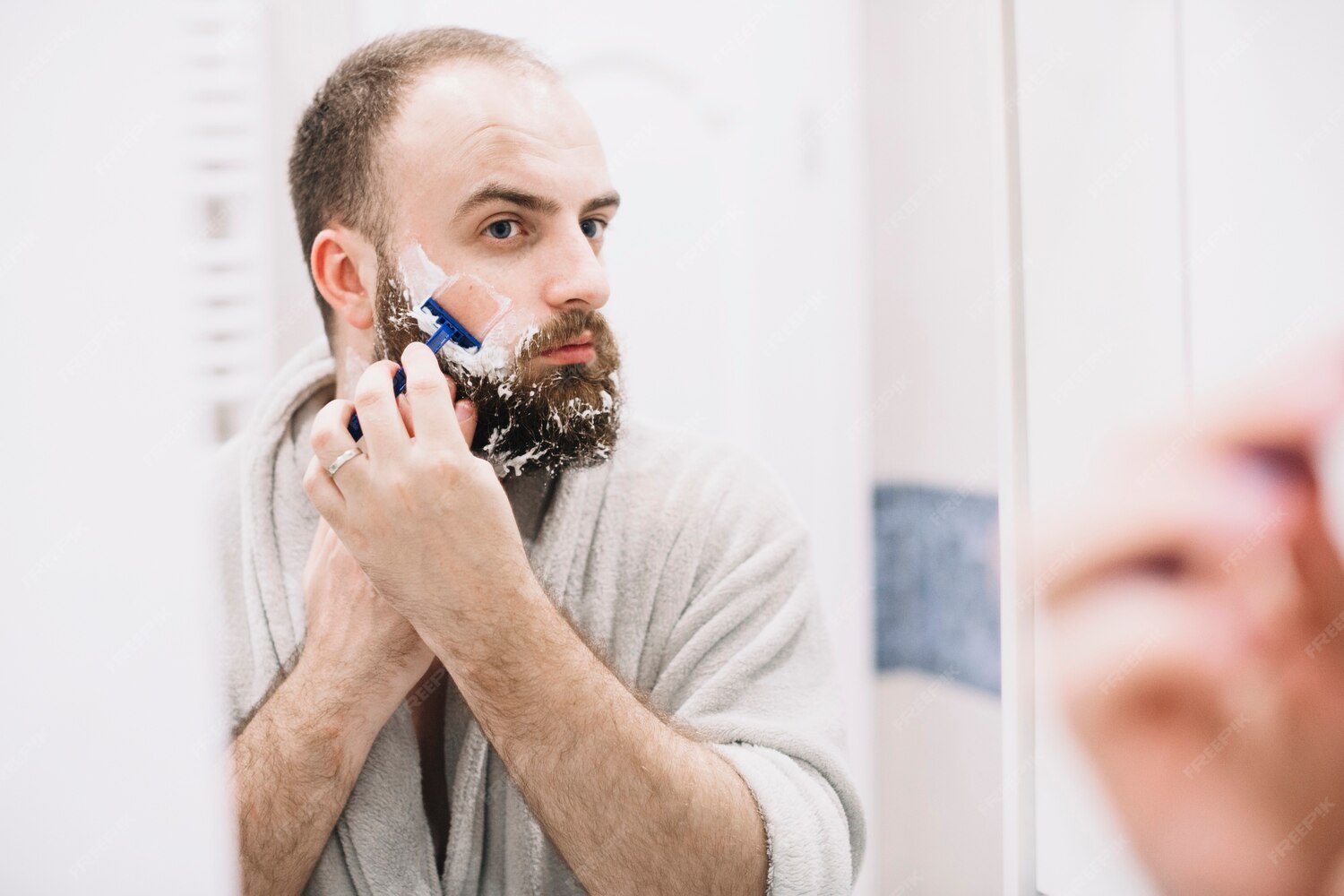
Use a razor or detail trimmer to define your neckline and cheek line.
Step 6: Final Touches
Comb your beard and check for uneven spots.
Professional Barber Tips for Perfect Beard Fade
Even if you’re doing it at home, these pro tips can take your fade to the next level.
Use the Flick Technique
Never press the clipper straight into your beard—use a flicking motion.
Work in Layers
Gradually blend rather than rushing the process.
Keep Symmetry
Always check both sides of your face for balance.
Good Lighting is Essential
Poor lighting can ruin your fade accuracy.
Common Beard Fade Mistakes to Avoid
Skipping Guard Levels
Jumping between guard sizes can create uneven transitions.
Creating Harsh Lines
Always blend properly to avoid visible lines.
Ignoring Neckline
A messy neckline ruins the entire look.
Over-Trimming
Cutting too much can’t be reversed—go slow.
Beard Fade with Different Hairstyles
Pairing your beard fade with the right haircut enhances your overall appearance.
Fade with Undercut
Creates a bold contrast and modern vibe.
Fade with Pompadour
Gives a stylish and classy look.
Fade with Buzz Cut
Simple yet extremely sharp.
Fade with Curly Hair
Adds texture and personality.
Beard Fade Maintenance Tips
A beard fade requires regular upkeep to stay sharp.
Trim Every 1–2 Weeks
Maintains the gradient and shape.
Use Beard Oil
Keeps your beard soft and healthy.
Brush Daily
Helps distribute natural oils evenly.
Keep Edges Clean
Regularly shave neckline and cheek lines.
Best Products for Beard Fade Care
Beard Oil
Hydrates skin and prevents dryness.
Beard Balm
Provides hold and styling control.
Quality Trimmer
Essential for maintaining your fade.
Aftershave
Prevents irritation and ingrown hairs.
Beard Fade for Different Beard Lengths
Short Beard Fade
Clean and low-maintenance.
Medium Beard Fade
Balanced and versatile.
Long Beard Fade
Requires more skill but looks premium.
How Often Should You Get a Beard Fade?
- Low fade: every 2–3 weeks
- Mid fade: every 1–2 weeks
- High/skin fade: weekly for best results
DIY vs Barber: Which is Better?
DIY Beard Fade
- Cost-effective
- Convenient
- Requires practice
Barber Beard Fade
- Professional results
- Perfect blending
- More expensive
Beard Fade Trends in 2026
- Skin fades with sharp line-ups
- Natural tapered fades
- Beard fade with textured hairstyles
- Minimalist low fades
Understanding the Science of Blending
Blending is the heart of a perfect beard. It involves gradually transitioning from one hair length to another without visible lines. This effect is achieved by controlling clipper angles, pressure, and guard sizes.
Hair density and growth patterns play a major role in how a fade appears. Some areas of your beard may be thicker or coarser, while others might be patchy. A skilled approach requires adjusting your technique based on these variations. Instead of treating your beard as one uniform surface, you should work in sections and adapt your trimming accordingly.
The Importance of Clipper Angles
One of the biggest differences between an average fade and a professional one is how you hold your clippers. Beginners often keep the clipper flat against the skin, which creates harsh lines. Instead, you should use a slight outward angle.
This technique, often called the “flick-out motion,” allows the clipper to gently transition between lengths rather than cutting abruptly. The motion should be smooth and controlled, starting close to the skin and gradually moving outward as you reach the blending zone.
Leveraging Guard Combinations
Most people rely only on standard guard sizes, but advanced fading involves mixing guard lengths strategically. For example, if you notice a visible line between two guard levels, you can use an in-between size or adjust the clipper lever to create a softer transition.
This method helps eliminate lines and gives your fade a seamless gradient. Professionals often switch between guards multiple times during a single session to refine the blend.
Using the Detail Trimmer for Precision
A detail trimmer is essential for refining your beard fade. It allows you to clean up areas around the cheek line, neckline, and mustache with precision.
When fading, you can also use a detail trimmer without a guard to soften stubborn lines. Light, controlled strokes can gradually erase imperfections without removing too much hair.
The Role of Lighting and Mirrors
Proper lighting is often overlooked but is crucial for achieving a perfect fade. Shadows can hide uneven areas, leading to mistakes that only become visible later.
Using a three-way mirror setup allows you to see your beard from multiple angles. This ensures symmetry and helps you spot inconsistencies early.
Creating a Symmetrical Fade
Symmetry is what separates a clean fade from a messy one. Always work on both sides of your face alternately instead of finishing one side completely before moving to the other.
This approach allows you to maintain balance and ensures both sides match in length and blending. Regularly step back and assess your progress from a distance to catch any unevenness.
Advanced Neckline Fading
Many people focus only on the sides of the beard, ignoring the neckline. However, a well-faded neckline can significantly enhance your overall look.
Instead of creating a harsh line, try blending the neckline gradually into shorter hair. This creates a more natural appearance and avoids the “boxed” look that can seem artificial.
Fading into Different Hairstyles
Blending your beard into your haircut is an advanced skill that requires coordination between head and facial hair.
If you have a fade haircut, your beard should follow the same gradient pattern. The transition from your sideburns into your beard should be smooth and consistent.
For longer hairstyles, a softer beard fade works better, as it maintains a balanced and natural look.
Correcting Mistakes Like a Pro
Even experienced groomers make mistakes. The key is knowing how to fix them.
If you create a harsh line, avoid the temptation to shave everything off. Instead, use a slightly shorter guard and blend the line gradually. Patience is essential here, as rushing can make the problem worse.
For uneven areas, trim small amounts at a time and continuously check your progress. It’s always better to under-trim than over-trim.
Maintaining Consistency Over Time
A great beard fade isn’t just about the initial trim—it’s about maintaining the look consistently. Your hair grows at different rates, so regular touch-ups are necessary.
By trimming lightly every few days, you can keep your fade looking fresh without needing a full grooming session each time. This also reduces the risk of making major mistakes.
Beard Fade Grooming Routine and Long-Term Care Strategy
Achieving a perfect beard fade is only half the journey. Maintaining it requires a dedicated grooming routine and a long-term care strategy. Without proper care, even the best fade will lose its sharpness and appeal.
Daily Beard Care Essentials
Daily grooming is the foundation of a healthy and well-maintained beard fade. Start by washing your beard with a gentle cleanser to remove dirt, oil, and sweat. Clean hair is easier to manage and style.
After washing, apply beard oil to keep your hair soft and hydrated. This not only improves the appearance of your beard but also prevents itchiness and dryness.
Brushing your beard daily helps distribute natural oils evenly and keeps the hair aligned. This makes your fade look more defined and polished.
Weekly Maintenance Routine
In addition to daily care, a weekly routine is essential for maintaining your beard fade.
Trim stray hairs that disrupt the fade and clean up your neckline and cheek lines. This prevents your beard from looking messy and keeps the gradient intact.
You should also inspect your fade closely and make minor adjustments if needed. Small corrections are much easier than fixing a completely overgrown beard.
Choosing the Right Grooming Products
Using high-quality grooming products can make a significant difference in how your beard looks and feels.
Beard oils with natural ingredients nourish your skin and hair, while beard balms provide hold and structure. A good trimmer with adjustable settings is also a worthwhile investment, as it allows for precise control during maintenance.
Avoid cheap or low-quality tools, as they can lead to uneven cuts and skin irritation.
Managing Different Beard Textures
Every beard is unique, and your grooming routine should reflect that. Coarse beards may require more conditioning, while softer beards might need styling products for better control.
Curly beards can be more challenging to fade because the hair doesn’t lie flat. In such cases, trimming should be done carefully and gradually to avoid uneven results.
Understanding your beard’s texture helps you choose the right techniques and products for optimal results.
Skin Care Beneath the Beard
Healthy skin is the foundation of a great beard. Neglecting the skin beneath your beard can lead to issues like dandruff, irritation, and ingrown hairs.
Exfoliating your skin once or twice a week removes dead cells and promotes healthy hair growth. Moisturizing keeps your skin hydrated and prevents dryness.
Pay special attention to areas where your fade is closest to the skin, as these are more prone to irritation.
Preventing Common Beard Problems
Several issues can affect the quality of your beard if not addressed properly.
Ingrown hairs can disrupt the smooth appearance of your fade. Regular exfoliation and proper shaving techniques can help prevent them.
Patchy growth is another common concern. While genetics play a role, maintaining a healthy diet and proper grooming routine can improve the overall appearance of your beard.
Seasonal Beard Care Adjustments
Your beard care routine should change with the seasons.
In summer, sweat and oil buildup can affect your beard, so more frequent washing may be necessary. In winter, dryness becomes a major issue, requiring extra hydration through oils and balms.
Adapting your routine to the मौसम ensures your beard stays healthy year-round.
Long-Term Beard Growth Strategy
If you’re planning to grow a longer beard while maintaining a fade, patience and consistency are key.
Allow your beard to grow naturally while maintaining the faded sides. This creates a structured look even during the growth phase.
Regular trimming and shaping will help you avoid an unkempt appearance and keep your beard looking intentional.
Professional Grooming vs Self Care
While maintaining your beard at home is convenient, visiting a professional barber occasionally can elevate your look.
Barbers have the expertise and tools to refine your fade and correct any mistakes. Even if you prefer DIY grooming, a professional touch every few weeks can make a noticeable difference.
Building a Sustainable Routine
Consistency is the most important factor in maintaining a beard fade. A sustainable routine doesn’t have to be complicated it just needs to be effective and easy to follow.
By combining daily care, weekly maintenance, and occasional professional grooming, you can keep your beard fade looking sharp and stylish at all times
Final Thoughts
A beard fade is more than just a grooming style it’s a statement. It reflects attention to detail, personal style, and confidence. Whether you choose a subtle low fade or a bold skin fade, mastering this technique can significantly elevate your appearance.
If you’re new, start with a tapered fade and gradually experiment with different styles. With practice, the right tools, and proper maintenance, you can achieve a barber-level beard fade from the comfort of your home.
