
Growing a beard is a rite of passage, but maintaining it is an art form. Whether you are sporting a “Yeard” or keeping a tight corporate trim, the difference between a scruffy mess and a majestic mane often comes down to one product: Beard Balm.
In this comprehensive guide, we will dive deep into everything you need to know about beard balm in 2026. From the science of its ingredients to the nuances of application, this is your blueprint for a healthier, softer, and more stylish beard.
What is Beard Balm?
At its core, beard balm is a hybrid grooming product. It sits perfectly between beard oil (which focuses on skin hydration) and beard wax (which focuses on heavy-duty styling).
Think of it as a “leave-in conditioner” with enough muscle to keep flyaways in check. It’s typically a semi-solid pomade made from a blend of:
- Carrier Oils: For nourishment.
- Butters (Shea or Cocoa): For deep conditioning.
- Beeswax: To provide a light-to-medium hold.
The Evolution of Beard Care in 2026
Grooming technology hasn’t stayed stagnant. Modern balms now feature advanced delivery systems like biotin liposomes for better absorption and ethically sourced, sustainable ingredients like bison butter or ostrich oil for those seeking premium, high-density nutrition for their facial hair.
Why Use Beard Balm? The Core Benefits
If you aren’t using balm, you’re missing out on several key advantages that oil alone cannot provide.
1. Superior Styling and Control
Ever have those “rogue” hairs that stick out no matter how much you brush? That’s where the beeswax in balm comes in. It provides the structural integrity needed to shape your beard and keep it looking uniform throughout the day.
2. Deep Conditioning and Softness
The butters in beard balm—usually Shea or Cocoa butter—are heavy hitters. They coat the hair shaft, sealing in moisture and transforming “steel wool” texture into something touchably soft.
3. Protection Against “Beardruff”
Just like the hair on your head, the skin under your beard can get dry and flaky. Beard balm acts as a sealant, preventing the natural oils produced by your skin (sebum) from evaporating, which stops itchiness and dandruff at the source.
4. Volume for Patchy Beards
Because balm coats each individual hair, it makes the hair appear thicker. For men struggling with thin or patchy spots, the added volume can create the illusion of a much fuller beard.
Beard Balm vs. Beard Oil vs. Beard Butter
Choosing the right product depends on your beard length and your specific goals.
| Feature | Beard Oil | Beard Balm | Beard Butter |
| Consistency | Liquid | Semi-solid (Waxy) | Creamy/Soft |
| Main Goal | Skin Hydration | Styling & Conditioning | Deep Softening |
| Hold Level | None | Light to Medium | Very Light |
| Best For | Short beards / Stubble | Medium to Long beards | All lengths (Night use) |
Key Ingredients to Look For
When shopping for a high-quality balm in 2026, don’t just look at the label—look at the ingredients list.
The Essentials
- Beeswax: The backbone of the balm. It provides the “hold.”
- Shea Butter: Rich in Vitamins A and E, it helps repair damaged hair.
- Jojoba Oil: Closely mimics the skin’s natural sebum, making it the king of carrier oils.
- Argan Oil: Known as “liquid gold,” it adds a healthy shine without being greasy.
Trending Additives in 2026
- Biotin: Encourages hair strength and may aid in the appearance of thickness.
- Rosemary Essential Oil: Some studies suggest it can help stimulate follicles to support growth.
- Vitamin E Oil: Acts as a natural preservative and protects hair from environmental UV damage.
How to Apply Beard Balm Like a Pro
Applying balm is a ritual. Do it right, and your beard will look like it was professionally groomed every single morning.
Step 1: Start with a Clean, Dry Canvas
Always apply balm after washing your beard. However, make sure it is 100% dry. Since balm is oil-based, any water left in your beard will repel the product and weaken the hold.
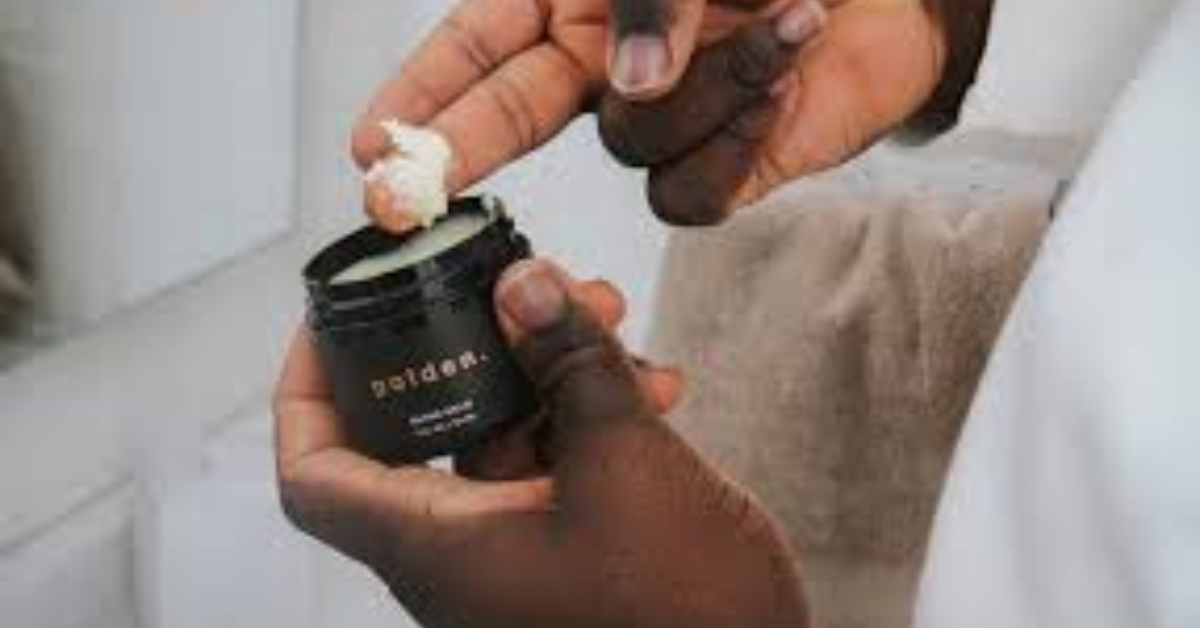
Step 2: The “Thumbnail” Scoop
Use the back of your thumbnail to scrape out a pea-sized amount. For longer beards (over 3 inches), you might need a dime-sized amount. Pro Tip: Start small; you can always add more, but taking it out is a mess.
Step 3: Emulsify
Rub the balm between your palms. The heat from your hands will melt the wax and butters into a smooth, oily consistency. Ensure there are no clumps left.
Step 4: The Application
- Skin First: Massage your fingers deep into the beard to reach the skin.
- Roots to Tips: Work the product through the hair from the neck upward, then from the cheeks downward.
- The “Wolverine” Move: For long beards, rake your fingers through the hair to ensure internal coverage.
Step 5: Shape and Comb
Use a Boar Bristle Brush to distribute the balm evenly and exfoliate the skin. Follow up with a wooden beard comb to style the beard into its final shape.
The Science of Sebum: How Beard Balm Interacts with Your Skin’s Natural Chemistry
To truly appreciate the value of beard balm, one must understand the biological environment of the face. Unlike the scalp, which has a high density of sebaceous glands, the skin on your cheeks and chin produces a limited amount of sebum—the natural oil that keeps hair hydrated. As a beard grows longer, the existing sebum is spread thinner and thinner across the hair shaft, eventually leaving both the skin and the hair parched.
This is where the molecular composition of a premium beard balm becomes essential. Most high-quality balms utilize Jojoba oil, which is technically a liquid wax ester rather than a true oil. Its chemical structure is nearly identical to human sebum, allowing it to penetrate the skin’s surface without clogging pores (non-comedogenic). When you massage balm into your beard, you are essentially “top-up” your skin’s natural defenses. The heavier butters, such as Shea or Mango butter, then create a breathable lipid barrier. This barrier prevents Transepidermal Water Loss (TEWL), ensuring that moisture stays locked inside the hair cortex. In 2026, many advanced formulations also include Ceramides, which help repair the skin barrier that is often damaged by daily environmental stressors or harsh soaps.
Seasonal Beard Care: Adjusting Your Balm Usage for Climate Extremes
A common mistake among many enthusiasts is using the same amount of product year-round. However, your beard’s needs fluctuate drastically based on the dew point and temperature. Understanding seasonal adjustment is the hallmark of a professional grooming routine.
Winter Protection and Humidity Control
During the winter months, cold air holds very little moisture, and indoor heating systems further strip the hair of its vitality. This often leads to “brittle beard syndrome,” where the hair becomes prone to snapping. During this time, you should opt for a heavy-wax balm. The higher concentration of beeswax acts as an insulator, shielding the hair from freezing temperatures and windburn. You may also find that applying balm twice a day—once in the morning and a light “butter-heavy” application before bed—prevents the dreaded winter itch.
Summer Breathability and UV Defense
Conversely, summer presents the challenge of humidity and UV radiation. High humidity can cause beard hair to swell and frizz, while intense sun exposure can oxidize the natural pigments in your hair, leading to a “copper” or bleached look. In the summer, switch to a lightweight, oil-rich balm. Look for ingredients with natural SPF properties, such as Red Raspberry Seed Oil or Carrot Seed Oil. These provide a subtle layer of protection against sun damage. Additionally, a lighter balm allows your skin to breathe in the heat, preventing the buildup of sweat and bacteria that can lead to “beard acne” or folliculitis. By tailoring your balm’s “weight” to the season, you ensure your mane remains a masterpiece regardless of the weather.
Can Beard Balm Help with Growth?
Let’s address the most common myth: Does beard balm make hair grow?
The short answer is: Not directly. There is no magic balm that will sprout hair where there are no follicles. However, it does help growth in three indirect ways:
- Reduced Breakage: By keeping hair moisturized, it prevents split ends and breakage, allowing your beard to reach its full length potential.
- Follicle Health: Ingredients like Rosemary and Biotin create the optimal environment for healthy hair production.
- Appearance: By adding volume and taming flyaways, it makes a growing beard look “filled in” during those awkward growth phases.
DIY Beard Balm: A Simple Recipe
Want to know exactly what’s going into your grooming routine? Making your own balm is easier than you think.
Ingredients:
- 2 tbsp Beeswax pellets
- 2 tbsp Shea Butter
- 1 tbsp Jojoba Oil
- 1 tbsp Sweet Almond Oil
- 5-10 drops of Sandalwood or Cedarwood Essential Oil
Instructions:
- Melt the beeswax, shea butter, and carrier oils in a double boiler over low heat.
- Once liquid, remove from heat and let cool for 2 minutes.
- Add your essential oils for scent.
- Pour into a tin and let it sit for 2-3 hours until solid.
Advanced Beard Sculpting: Using Balm for Different Face Shapes
While beard balm is a health product, it is also a powerful tool for facial geometry. In 2026, the trend has shifted from “growing as much as possible” to “shaping for the best silhouette.” The medium hold provided by beeswax allows you to manipulate the direction of hair growth to balance your natural features.
Enhancing Your Jawline and Chin
For men with a round or square face, the goal is to add length to the chin to create an oval appearance. You can use a generous amount of balm on the bottom of the beard, tucking the side hairs in toward the neck while pulling the chin hairs forward and downward. The balm sets the hair in this elongated position, giving you a sharper, more chiseled look.
Softening Narrow or Heart-Shaped Faces
If you have a triangular or narrow face, you want to add width to the cheeks. Instead of smoothing the hair down, use your fingers to work the balm outward on the sides. The conditioning butters will add bulk and volume to the hair fibers, filling out the “hollow” areas of the face. By using the balm to create a wider base, you bring symmetry to a pointed chin or a broad forehead.
The Role of Scent Chemistry in Modern Beard Balms
In the past, beard products were limited to smelling like a pine tree or a campfire. However, the science of scent in 2026 has become much more sophisticated, focusing on aromatherapy and pheromone-compatible profiles that last throughout the day without being overpowering.
Essential Oils vs. Synthetic Fragrances
The highest quality balms use pure essential oils, which offer more than just a pleasant smell. Sandalwood and Cedarwood are natural antiseptics that help keep the skin clean. Peppermint and Eucalyptus provide a cooling sensation that increases blood flow to the surface of the skin, potentially waking up dormant hair follicles.
Scent Layering and Longevity
Because beard balm is a semi-solid, it acts as a “scent carrier.” Unlike beard oil, which evaporates quickly, the wax and butter in balm trap the fragrance molecules, releasing them slowly over 8 to 12 hours. This is known as “sustained release.” When choosing a balm, look for a “base note” (like Musk, Amber, or Leather) that complements your cologne. A well-scented beard balm can serve as a subtle, personal fragrance that isn’t as aggressive as traditional perfume but remains noticeable during close interactions.
Top Beard Balm Recommendations for 2026
If you’d rather buy than DIY, here are the top picks for the current year:
- Best Overall: Honest Amish Beard Balm – A timeless classic with all-natural, organic ingredients.
- Best for Growth Support: The Beard Club Biotin Balm – Formulated specifically to strengthen thinning hair.
- Best for Coarse Hair: Viking Revolution Sandalwood – Offers a slightly firmer hold for unruly, wiry beards.
- Best Luxury: Black Rebel Bison Butter – A high-performance blend that offers unparalleled softness.
Final Thoughts: Consistency is Key
The secret to a world-class beard isn’t just the product—it’s the routine. Applying beard balm once a month won’t do much. Incorporate it into your daily morning ritual, and within two weeks, you’ll notice a significant change in how your beard looks, feels, and smells.
Whether you’re looking to stop the itch, tame the frizz, or simply smell like a forest of cedarwood, beard balm is the MVP of your grooming kit.
Expert Tip: If you live in a cold climate, the wax in your balm might get a bit stiff. Simply carry the tin in your pocket for 10 minutes before use; your body heat will soften it up perfectly.
