
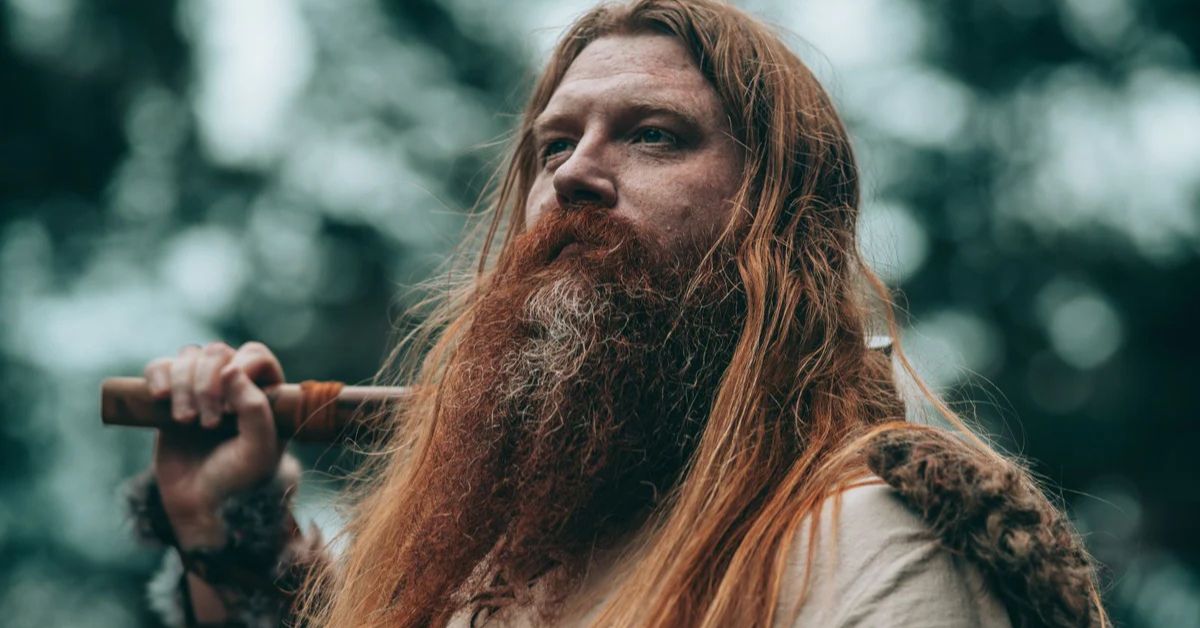
To understand why the Viking beard remains an icon of masculinity in 2026, we have to look back at the men who started it all. In the Viking Age (roughly 793–1066 AD), a beard was a rite of passage. It signaled that a boy had become a man, a warrior, and a member of the community with wisdom and experience.
Contrary to the “dirty barbarian” trope often seen in older movies, historical evidence—including archaeological finds of ornate bone combs and tweezers—tells us that Vikings were actually quite meticulous about their grooming. A well-kept beard was a mark of status. To have one’s beard cut or shaved against one’s will was considered a profound insult and a loss of honor.
1. Popular Viking Beard Styles for the Modern Man
Not all Viking beards are created equal. Depending on your face shape and hair growth patterns, you might find one style suits you better than others.
The Classic Full Viking Beard
This is the “Old Norse” standard. It features thick growth on the cheeks, a heavy mustache, and a long, squared-off chin. It requires patience and a solid routine to keep it from looking like a bird’s nest.
The Braided Warrior
Braids were practical for Vikings; they kept long hair out of the way during combat or seafaring. Today, a single or double braid at the chin adds an instant “warrior” aesthetic.
- Best for: Beards 4+ inches in length.
- Pro Tip: Use small leather ties or silver beard rings to secure the ends.
The Tapered Viking
A modern twist on the legend. This style features a full, long beard that is tapered or faded at the sideburns to blend into the hair. It’s perfect for men who want the length of a Viking beard but need a “cleaner” look for the office.
The Forked Beard (The Sweyn Forkbeard)
Named after the famous Danish King, this style involves splitting the beard at the chin into two distinct sections. It’s a bold, geometric look that requires a bit of beard balm to maintain the shape.
2. How to Grow a Viking Beard: Step-by-Step
Growing a legendary beard isn’t just about throwing away your razor. It’s about cultivating the right environment for growth.
Step 1: The Commitment Phase (Weeks 1–4)
The first month is the hardest. You will likely experience “the itch.” This happens as the sharp, shaved hairs curve back and poke your skin.
- The Fix: Start using beard oil immediately. It softens the hair and moisturizes the skin underneath, killing the itch before it makes you quit.
Step 2: Boosting Growth Through Nutrition
Your beard is a reflection of your internal health. To get that thick, lustrous Viking mane, focus on:
- Proteins: Hair is made of keratin. Eat plenty of eggs, lean meats, and beans.
- Omega-3s: Found in salmon and walnuts, these keep your hair hydrated from the inside out.
- Biotin (Vitamin B7): Known as the “hair growth vitamin.”
Step 3: Managing the “Awkward Stage” (Months 2–4)
This is where your beard looks messy and lacks shape. Resist the urge to trim heavily. Only clean up the “stray” hairs on your upper cheeks and keep the neckline about two fingers above your Adam’s apple.
3. Essential Viking Beard Grooming Tools
If you want to look like Ragnar Lothbrok and not a castaway, you need the right kit.
| Tool | Purpose | Why it’s “Viking” |
| Boar Bristle Brush | Distributes oils and exfoliates skin. | Keeps the “mane” manageable and healthy. |
| Sandalswood Comb | Detangles without static. | Modern version of the ancient bone combs. |
| Beard Balm | Provides “hold” for styling. | Essential for shaping braids or forks. |
| Beard Oil | Hydrates and scents. | Choose scents like Pine, Cedar, or Sandalwood. |
4. How to Style with Accessories: Beads and Rings
Nothing says “Viking” quite like beard jewelry. Adding beads or rings isn’t just for Cosplay; it’s a legitimate style choice for the modern rugged aesthetic.
Using Beard Beads
- Thread it: Gather the section of hair you want to decorate.
- The Loop Tool: Use a small plastic hair loop to pull the beard through the bead.
- Secure: Most beads stay in place by friction, but you can use a small clear elastic band hidden under the bead for extra security.
Symbols to Watch For
- The Valknut: Three interlocking triangles representing Odin.
- The Aegishjalmur (Helm of Awe): A symbol of protection and might in battle.
- Runes: Each Futhark rune has a meaning (e.g., Fehu for wealth, Tiwaz for victory).
5. Maintaining Your Beard: The Daily Routine
A Viking beard is a lifestyle, not a hobby. Follow this daily “Battle Plan”:
- Wash (2-3 times a week): Use a dedicated beard wash. Regular shampoo is too harsh and will strip your face of natural oils.
- Oil (Daily): Apply 3–5 drops of beard oil while the hair is slightly damp after your shower.
- Brush (Daily): Use your boar bristle brush to train the hairs to grow downward.
- Balm (As needed): Use balm if you’re heading out and need to tame flyaways or hold a specific shape.
6. Common Myths About Viking Beards
Myth #1: Vikings never washed.
Truth: As mentioned, Vikings were cleaner than most of their European contemporaries. They bathed weekly (Saturdays were “washing day”) and combed their hair and beards daily.
Myth #2: Shaving makes hair grow back thicker.
Truth: This is a biological myth. Shaving gives the hair a blunt edge, making it feel coarser, but it does not change the follicle’s density. The only way to get a thicker beard is through time, health, and genetics.
Myth #3: Every man can grow a “Mega” beard.
Truth: Genetics play a huge role. If your beard is patchy, don’t despair. Style it into a “Viking Stubble” or a “Goatee-focused” look. Even the Vikings had variation in their growth!
The Viking Beard Growth Cycle: A Month-by-Month Battle Plan
Most men fail to grow a legendary beard because they don’t know what to expect. Breaking down the growth into a timeline provides your readers with a roadmap and keeps them engaged with your article longer.
Months 1-3: The “Fledgling” Phase and the Itch Barrier
This is where the “boys are separated from the men.” During these first 90 days, your hair follicles are adjusting to the weight of the new growth.
- The Challenge: Skin irritation and patchiness.
- The Viking Solution: This is the time to introduce exfoliation. Using a soft beard brush daily removes dead skin cells that cause “ingrown hairs,” which often stop growth before it even starts.
Months 4-8: The “Shield Wall” – Dealing with Bulk
By month four, your beard has “loft.” It starts to grow outward rather than just downward.
- The Strategy: This is when you begin training the grain. You must use a high-quality wooden comb (never plastic, as it creates static) to guide the hair.
- Pro Tip: Start using a heated beard straightener once a week if your hair is naturally curly. This “unlocks” hidden length, making your Viking beard look inches longer instantly.
Modern Warfare: Maintaining a Viking Beard in a Professional World
A common concern for readers is whether a Viking beard is “work-appropriate.” This section helps your SEO by targeting keywords like “professional beard styles” and “office grooming.”
The “Corporate Viking” Trim
You don’t have to shave to look professional. The secret lies in the Neckline and Cheekline.
- The Neckline: A true Viking warrior beard stays “clean” at the throat. Shave everything from Adam’s apple down. This creates a sharp contrast that makes the beard look intentional and groomed rather than lazy.
- The Cheekline: Avoid the “wild man” look by creating a crisp line from the top of your ear to the corner of your mouth. A straight razor or a high-end trimmer is essential here for that “laser-cut” finish.
Combatting “Beard Odor” and Environmental Damage
If you work in a city or an industrial environment, your beard acts like a filter, trapping dust, smoke, and pollution.
- The Deep Clean: Once a week, use a beard co-wash (conditioner-only wash). This removes pollutants without stripping the moisture.
- Scent Selection: For the professional environment, pivot from “Heavy Pine” to more sophisticated scents like Tobacco & Oud or Bergamot & Sandalwood. This keeps you smelling like a leader (Jarl) rather than a forest-dweller.
The Viking Apothecary: Natural Oils and Ancient Skin Care
While modern science gives us refined products, the Vikings relied on the raw power of nature to keep their facial hair from becoming brittle in the harsh Scandinavian winds. Understanding the “why” behind the ingredients helps a modern man choose the best products for his skin.
Animal Tallow vs. Plant-Based Hydration
In the Viking Age, heavy fats were used as a barrier against frostbite and salt spray. Today, we’ve traded whale oil for carrier oils that mimic the skin’s natural sebum. If you want a beard that feels like silk rather than straw, look for these specific ingredients in your oils:
- Jojoba Oil: This is technically a liquid wax that is nearly identical to human skin oils. It penetrates the hair shaft to prevent “beardruff” (beard dandruff).
- Argan Oil: Often called “Liquid Gold,” this provides the high-shine finish seen in professional beard competitions.
- Sweet Almond Oil: High in Vitamin E, this reduces inflammation in the follicles, which is the primary cause of stunted beard growth.
### The Role of Pine Resin and Beeswax in Styling
Vikings didn’t have hairspray, but they did have resin. Modern Viking Beard Balms utilize beeswax to provide a medium-to-strong hold.
- The Benefit: Beeswax creates a protective seal that locks in moisture while allowing you to sculpt a “tapered” or “forked” look that lasts all day.
- The Scent Profile: To truly channel the North, look for essential oils derived from Juniper Berry and Pine Needle. These aren’t just for smell; they are natural antiseptics that keep the skin under your beard clear of bacteria.
Advanced Sculpting: Tailoring the Viking Beard to Your Face Shape
A common mistake is thinking a Viking beard is “one size fits all.” To look like a king (Jarl) rather than a thrall, you must trim according to your bone structure.
The Square Face: The “Longship” Approach
If you have a strong, square jaw, you already have the foundation of a warrior.
- The Strategy: Keep the sides (cheeks) trimmed shorter and allow the length to accumulate at the bottom of the chin. This elongates the face and prevents you from looking “boxy.”
- The Round Face: Creating Angles
For those with rounder features, a Viking beard can provide the definition your jawline lacks. Focus on a pointed bottom (the V-shape). By trimming the hair on the sideburns very thin and letting the chin hair grow into a sharp point, you create the illusion of a lean, chiseled face.
The Oblong Face: Adding Girth
If you have a long, thin face, a very long beard can make your head look disproportionate.
- The Strategy: Grow the “wings” of the beard. Allow the hair on the cheeks and the back of the jaw to grow thicker. This adds width to your face, giving you a more powerful, “tank-like” presence.
Conclusion: Claim Your Legacy
The Viking beard is a timeless statement of power and individuality. It requires patience to grow, discipline to maintain, and a bit of “warrior spirit” to wear with confidence. By following the grooming steps and styling tips in this guide, you aren’t just growing facial hair—you are carrying on a tradition that has commanded respect for over a thousand years.
Are you ready to start your journey? Put down the razor, pick up the oil, and let your inner Viking roar.
Frequently Asked Questions (FAQ)
How long does it take to grow a Viking beard?
Typically, it takes 3 to 6 months to achieve a “full” Viking look, depending on your hair’s growth rate (usually about half an inch per month).
Can I grow a Viking beard if I have patches?
Yes! As the surrounding hair grows longer, it will naturally cover most patches. Using a beard roller (microneedling) can also help stimulate blood flow to those areas.
What is the best scent for a Viking beard oil?
To stay true to the theme, look for earthy, woodsy scents like Siberian Fir, Cedarwood, Oakmoss, and Leather.
