

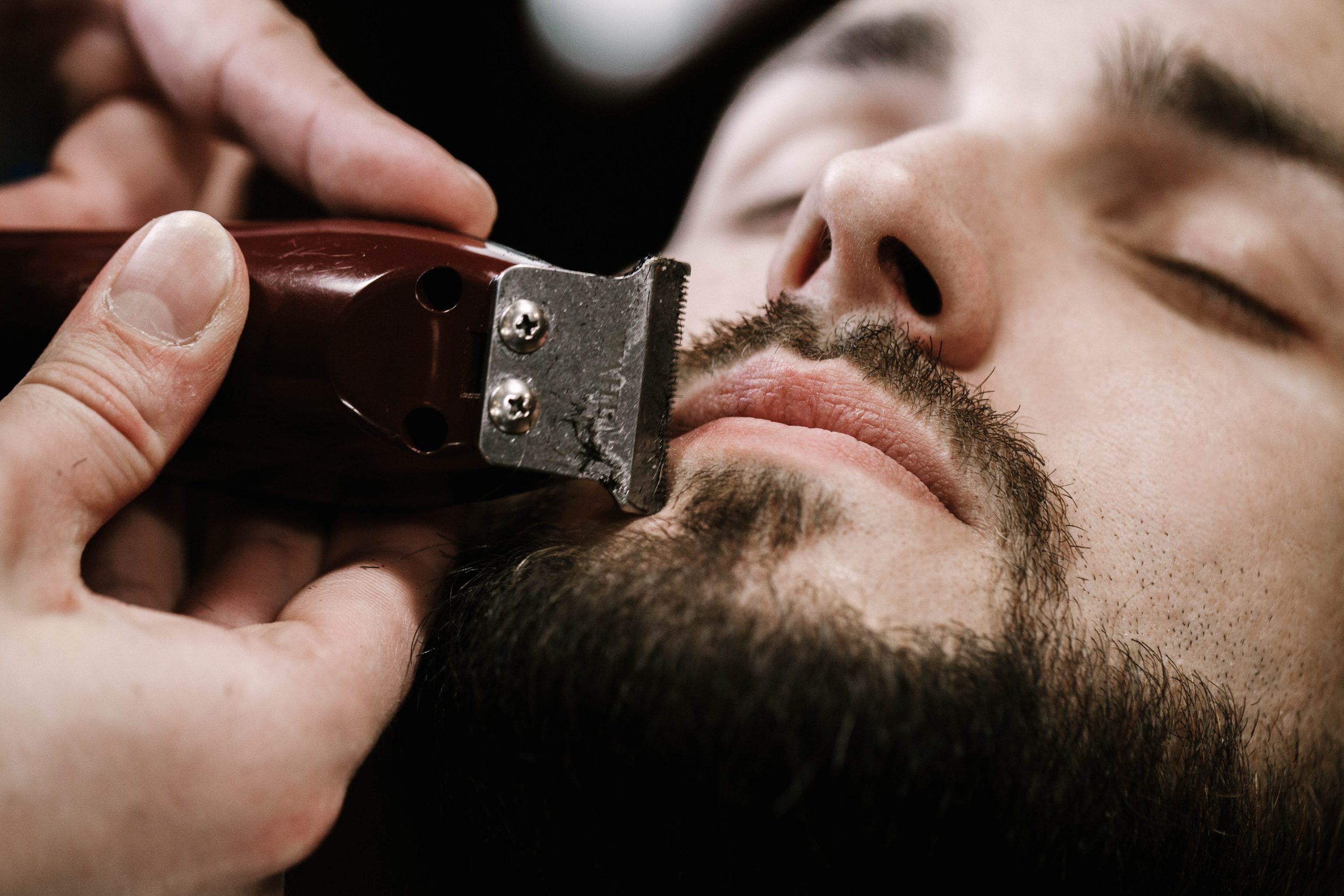
Beard grooming is no longer just a trend it’s a lifestyle. Whether you’re growing a short stubble or a full, thick beard, knowing how to trim your beard properly can completely transform your look. A well-trimmed beard enhances your face shape, boosts confidence, and keeps your appearance sharp and professional.
In this comprehensive guide, you’ll learn everything from choosing the right tools to advanced trimming techniques. This SEO-optimized article is designed to help beginners and experienced men master beard trimming at home.
Why Beard Trimming Matters
Trimming your beard is essential for more than just aesthetics. It plays a key role in maintaining hygiene, promoting healthy hair growth, and preventing split ends.
Key Benefits of Trimming Your Beard:
- Maintains a clean and polished look
- Prevents uneven growth
- Reduces itchiness and irritation
- Helps define your jawline
- Encourages healthier beard growth
A neglected beard can quickly look messy, no matter how thick or stylish it is. Regular trimming keeps it looking intentional and attractive.
Essential Tools for Beard Trimming
Before you start trimming, you need the right tools. Using high-quality grooming tools ensures precision and reduces the risk of mistakes.
Must-Have Beard Grooming Tools:
- Beard trimmer (adjustable guard lengths)
- Sharp scissors
- Fine-tooth comb or beard brush
- Mirror (preferably a 3-way mirror)
- Beard oil or balm
- Razor (for clean edges)
Investing in good tools can make a huge difference in your trimming results. Cheap or dull blades can pull hair and cause uneven cuts.
Choosing the Right Beard Style for Your Face Shape
Not every beard style suits every face. Understanding your face shape helps you trim your beard in a way that enhances your natural features.
Face Shapes & Recommended Beard Styles:
1. Oval Face
- Almost all beard styles work
- Keep proportions balanced
2. Round Face
- Go for longer beards
- Keep sides shorter to elongate the face
3. Square Face
- Soften edges with rounded beard styles
- Avoid sharp angles
4. Rectangular Face
- Keep beard shorter at the bottom
- Add volume on the sides
5. Heart-Shaped Face
- Add fullness around the jawline
- Avoid overly long beards
Choosing the right beard style is the foundation of a perfect trim.
Step-by-Step Guide: How to Trim Your Beard
Now let’s dive into the actual process of trimming your beard like a pro.
Step 1: Wash and Dry Your Beard
Always start with a clean beard. Use a gentle beard shampoo to remove dirt and oil buildup.
Why this matters:
- Clean hair is easier to cut
- Prevents uneven trimming
- Helps tools glide smoothly
Make sure your beard is completely dry before trimming. Wet hair appears longer, which can lead to over-trimming.
Step 2: Comb Your Beard
Use a beard comb or brush to detangle your beard and make all hairs face the same direction.
Tip: Comb your beard downward and outward to reveal its natural shape.
Step 3: Start with a Longer Guard
If you’re using a trimmer, always begin with a longer guard setting. You can gradually go shorter if needed.
Golden Rule: You can always cut more, but you can’t put hair back.
Step 4: Trim the Sides First
Start trimming from the sides of your face.
- Move the trimmer upward
- Use even strokes
- Maintain symmetry
This step helps create the overall structure of your beard.
Step 5: Shape the Neckline
Your neckline can make or break your beard.
How to find your neckline:
- Place two fingers above your Adam’s apple
- Trim everything below that line
Avoid trimming too high—it can make your beard look unnatural.
Step 6: Define the Cheek Line
A clean cheek line gives your beard a sharp appearance.
- Follow your natural cheek line
- Use a razor or trimmer for precision
- Avoid going too low
Step 7: Trim the Mustache
Your mustache should complement your beard—not overpower it.
- Trim hairs above your upper lip
- Use scissors for precision
- Comb downward before cutting
Step 8: Blend and Fade
Blending creates a natural transition between your beard and hair.
- Use different guard lengths
- Shorter near the ears, longer near the chin
- Blend carefully for a smooth finish
Step 9: Detail and Clean Up
Use scissors to trim stray hairs and refine edges.
Focus on:
- Symmetry
- Clean lines
- Even length
Step 10: Apply Beard Oil or Balm
Finish your trim by applying beard oil.
Benefits:
- Softens hair
- Adds shine
- Prevents dryness
- Keeps your beard healthy
Common Beard Trimming Mistakes to Avoid
Even experienced men make trimming mistakes. Avoid these common errors:
- Trimming a wet beard
- Using the wrong guard length
- Ignoring symmetry
- Cutting too much at once
- Neglecting the neckline
Fixing these mistakes can take weeks, so always trim carefully.
How Often Should You Trim Your Beard?
The frequency depends on your beard length and style.
General Guidelines:
- Stubble: Every 2–3 days
- Short beard: Once a week
- Medium beard: Every 1–2 weeks
- Long beard: Every 2–3 weeks
Consistency is key to maintaining a sharp look.
Beard Trimming Tips for Beginners
If you’re new to beard grooming, follow these simple tips:
- Trim in good lighting
- Take your time
- Use a mirror from multiple angles
- Start slow and adjust gradually
- Keep your tools clean
Advanced Beard Trimming Techniques
Once you master the basics, you can try advanced techniques.
1. Beard Fading
Creates a smooth transition between hair and beard.
2. Beard Sculpting
Defines sharp angles and structured shapes.
3. Layered Trimming
Adds depth and texture to longer beards.
Best Beard Styles You Can Try
Here are some popular beard styles to consider:
- Stubble beard
- Short boxed beard
- Full beard
- Goatee
- Van Dyke beard
- Faded beard
Choose a style that matches your personality and lifestyle.
Beard Maintenance Routine
Trimming is just one part of beard care. A proper routine keeps your beard healthy.
Daily Routine:
- Wash with beard shampoo
- Apply beard oil
- Comb or brush
Weekly Routine:
- Trim stray hairs
- Shape edges
- Deep condition
Natural Beard Growth Tips
Want a thicker beard? Follow these tips:
- Eat a balanced diet
- Stay hydrated
- Exercise regularly
- Get enough sleep
- Use beard oils and serums
Patience is key—beard growth takes time.
DIY vs Professional Beard Trimming
DIY Trimming:
- Cost-effective
- Convenient
- Requires practice
Professional Barber:
- Expert precision
- Perfect shaping
- More expensive
A good strategy is to visit a barber once a month and maintain your beard at home in between.
Understanding Your Beard Growth Pattern
Before picking up a trimmer, it’s important to understand how your beard grows. Every man’s beard grows differently—some areas may be thicker, while others might be patchy.
Key Factors That Affect Beard Growth:
- Genetics
- Hormones (especially testosterone)
- Age
- Diet and lifestyle
Take time to observe:
- Which areas grow faster
- Natural beard density
- Direction of hair growth
Understanding your beard pattern helps you trim more accurately and avoid uneven results.
Essential Tools for Beard Trimming
Using the right tools can make a huge difference in how your beard looks after trimming.
Must-Have Grooming Tools:
- Electric beard trimmer with adjustable guards
- Precision scissors
- Beard comb or brush
- Razor for edging
- Mirror (preferably multi-angle)
- Beard oil or balm
High-quality tools ensure clean cuts and reduce irritation. Avoid using dull blades, as they can damage hair and cause split ends.
Preparing Your Beard Before Trimming
Preparation is the most overlooked step, but it’s crucial for achieving a professional finish.
Step-by-Step Preparation:
- Wash your beard with a gentle cleanser
- Pat dry with a towel
- Let your beard fully air dry
- Comb your beard to remove tangles
Important Tip: Never trim a wet beard. Wet hair appears longer and can lead to over-trimming.
Step-by-Step Guide: How to Trim a Beard
Let’s break down the trimming process into simple, easy steps.
Step 1: Choose the Right Length
Start with a longer guard setting on your trimmer. This prevents cutting too much hair at once.
- Begin long
- Gradually reduce length
- Check symmetry frequently
Step 2: Trim the Sides
Work on the sides first to create the overall shape.
- Move the trimmer upward
- Use even strokes
- Keep both sides balanced
Step 3: Trim the Chin Area
The chin is usually the focal point of your beard.
- Keep it slightly longer for a fuller look
- Trim gradually
- Avoid cutting too short
Step 4: Shape the Neckline
A clean neckline defines your beard.
How to set your neckline:
- Place two fingers above your Adam’s apple
- Trim everything below that point
Avoid setting the neckline too high it can ruin the natural look.
Step 5: Define the Cheek Line
Your cheek line should look natural but clean.
- Follow your natural hairline
- Remove stray hairs
- Use a razor for precision
Step 6: Trim the Mustache
The mustache should blend smoothly with your beard.
- Comb downward
- Trim hair above the lip
- Use scissors for detailed trimming
Step 7: Blend for a Natural Finish
Blending is what separates a good trim from a great one.
- Use different guard lengths
- Fade from shorter sides to longer chin
- Smooth transitions carefully
Step 8: Final Touches
Check your beard from multiple angles.
- Trim stray hairs
- Ensure symmetry
- Clean edges
Finish with beard oil for softness and shine.
Common Beard Trimming Mistakes to Avoid
Avoid these mistakes to keep your beard looking its best:
- Trimming too quickly
- Using the wrong guard size
- Ignoring beard symmetry
- Over-trimming the neckline
- Skipping preparation
Taking your time is the key to a perfect trim.
How Often Should You Trim Your Beard?
The frequency depends on your beard length and style.
Recommended Trimming Schedule:
- Stubble: Every 2–3 days
- Short beard: Once a week
- Medium beard: Every 1–2 weeks
- Long beard: Every 2–3 weeks
Regular trimming keeps your beard neat and manageable.
Best Beard Styles Based on Face Shape
Choosing the right beard style enhances your facial structure.
Face Shape Guide:
Round Face
- Longer beard
- Short sides
Square Face
- Rounded beard edges
- Avoid sharp lines
Oval Face
- Most styles work well
Rectangular Face
- Shorter length
- Fuller sides
Matching your beard style to your face shape ensures a balanced appearance.
Beard Maintenance Routine
Trimming alone is not enough you need a proper maintenance routine.
Daily Care:
- Wash your beard
- Apply beard oil
- Comb or brush
Weekly Care:
- Trim stray hairs
- Deep condition
- Shape edges
Consistency is essential for a healthy beard.
Tips for Achieving a Professional Beard Trim at Home
You don’t always need a barber to look sharp.
Pro Tips:
- Use good lighting
- Trim in front of a mirror
- Work slowly
- Check angles frequently
- Invest in quality tools
Practice improves your trimming skills over time.
Additional Heading 1: How to Fix an Uneven Beard
An uneven beard is a common issue, especially for beginners.
Causes of Uneven Beard:
- Patchy growth
- Uneven trimming
- Different hair growth speeds
How to Fix It:
- Identify longer areas
- Trim gradually to match length
- Use a comb to guide cutting
- Avoid cutting too much at once
If the unevenness is severe, consider trimming everything to a uniform shorter length and letting it grow evenly again.
Patience is key—beard growth takes time to balance out.
Additional Heading 2: Beard Trimming vs Beard Shaping What’s the Difference?
Many people confuse trimming with shaping, but they are not the same.
Beard Trimming:
- Reduces length
- Maintains beard health
- Keeps beard neat
Beard Shaping:
- Defines beard structure
- Focuses on edges and lines
- Enhances face shape
Why Both Matter:
Trimming keeps your beard manageable, while shaping gives it a polished, stylish look. Combining both techniques results in a well-groomed, professional appearance.
Advanced Beard Grooming Techniques
Once you master basic trimming, you can try advanced methods.
1. Beard Fading
Creates a smooth transition between hair and beard.
2. Texturizing
Adds depth to thick beards.
3. Sculpting
Defines sharp lines and angles.
These techniques require practice but can elevate your grooming game.
Natural Tips for Better Beard Growth
Healthy growth makes trimming easier.
Growth Tips:
- Eat protein-rich foods
- Stay hydrated
- Exercise regularly
- Get enough sleep
- Use beard oils
Avoid stress and maintain a healthy lifestyle for the best results.
DIY Beard Trimming vs Professional Barber
DIY Trimming:
- Affordable
- Convenient
- Requires practice
Professional Barber:
- Expert precision
- Perfect shaping
- Costs more
A balanced approach is to visit a barber occasionally and maintain your beard at home
FAQs: How to Trim a Beard
1. Should I trim my beard wet or dry?
Always trim your beard dry to avoid cutting too much.
2. What is the best tool for trimming a beard?
A high-quality beard trimmer with adjustable guards is the best option.
3. How do I fix an uneven beard?
Trim gradually and use a comb to ensure symmetry.
4. Can trimming make my beard grow faster?
Final Thoughts
Learning how to trim a beard is an essential skill for every man. With the right tools, techniques, and patience, you can achieve a clean, stylish beard from the comfort of your home.
Remember:
- Start slow
- Trim regularly
- Maintain your beard daily
A well-groomed beard isn’t just about looks—it’s about confidence, discipline, and personal style.
No, but it promotes healthier growth and prevents split ends.
