

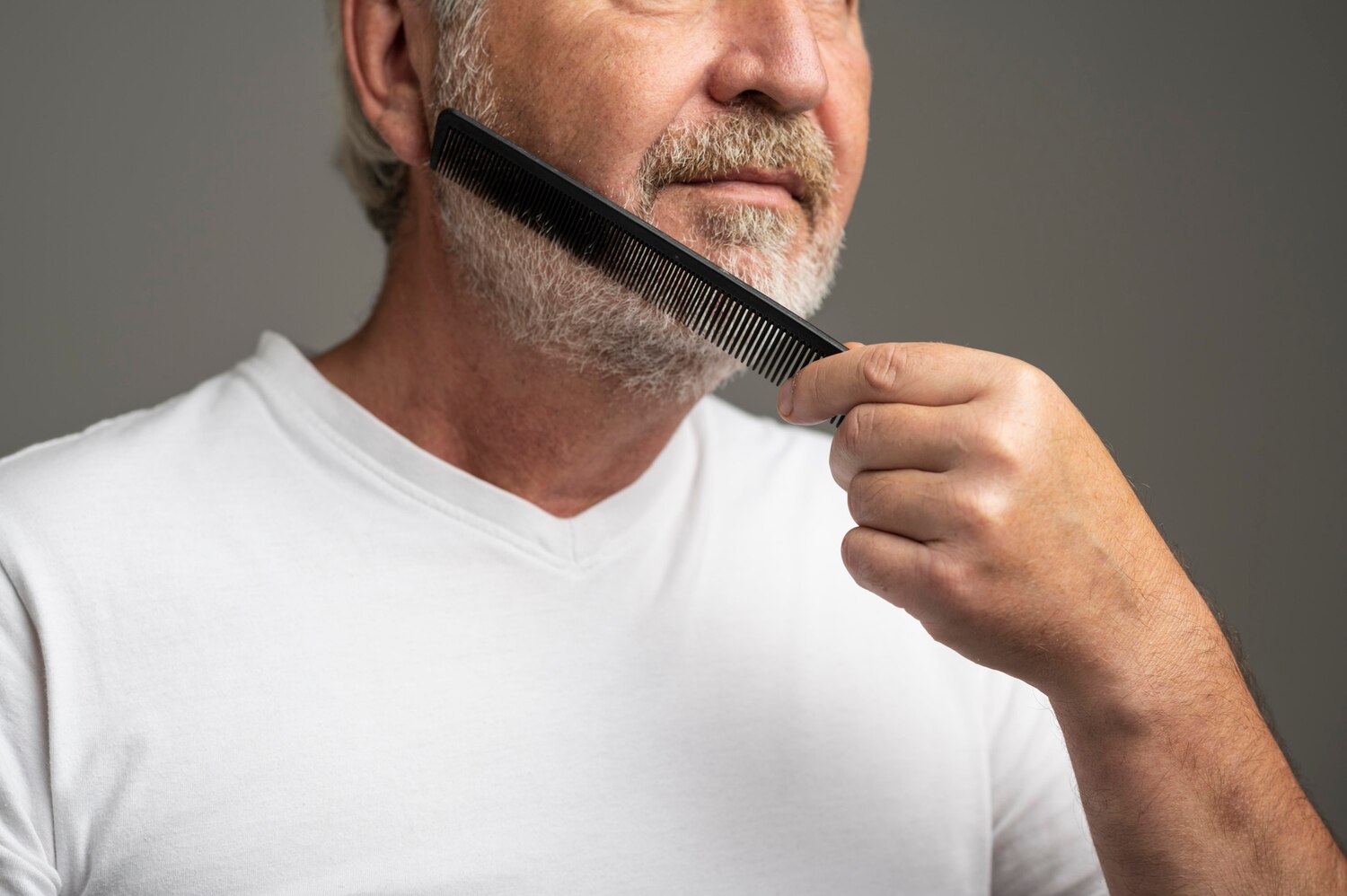
A well-groomed beard is more than just facial hair it’s a statement of style, personality, and confidence. While beard oils, balms, and trimmers often steal the spotlight, one essential tool that quietly plays a major role in beard care is the beard brush. Whether you’re growing a short stubble or maintaining a thick, full beard, the right brush can completely transform your grooming routine.
In this comprehensive, SEO-optimized guide, you’ll learn everything about beard brushes from their benefits and types to how to use them correctly and choose the best one for your needs.
What Is a Beard Brush?
A beard brush is a grooming tool specifically designed to clean, style, and maintain facial hair. Unlike regular hairbrushes, beard brushes are crafted with firmer bristles that can penetrate thick facial hair and reach the skin underneath.
These brushes help distribute natural oils, remove dirt, exfoliate the skin, and train your beard to grow in a desired direction.
Why You Need a Beard Brush
Many men underestimate the importance of brushing their beard regularly. However, incorporating a beard brush into your daily routine offers several powerful benefits.
1. Distributes Natural Oils
Your skin produces sebum, a natural oil that keeps hair moisturized. A beard brush spreads this oil evenly across your beard, preventing dryness and brittleness.
2. Reduces Beard Itch and Dandruff
Dry skin beneath your beard can lead to itchiness and beard dandruff. Brushing exfoliates dead skin cells and improves skin health.
3. Trains Your Beard Shape
Beard hair can grow in random directions. Regular brushing helps train your beard to grow uniformly, giving it a cleaner and more polished look.
4. Improves Beard Texture
A beard brush smooths out rough hair, making your beard feel softer and more manageable.
5. Enhances Product Absorption
Using a beard brush after applying beard oil or balm ensures even distribution, maximizing the effectiveness of grooming products.
Types of Beard Brushes
Choosing the right beard brush depends on your beard type, length, and personal preference.
Boar Bristle Beard Brush
Boar bristle brushes are the most popular and widely recommended option.
Benefits:
- Firm yet flexible bristles
- Excellent oil distribution
- Great for exfoliation
- Suitable for all beard types
Best For: Medium to long beards
Synthetic Bristle Beard Brush
Synthetic brushes are made from nylon or plastic fibers.
Benefits:
- Affordable
- Vegan-friendly
- Easy to clean
Drawbacks:
- Less effective at distributing natural oils
- Can feel harsh on sensitive skin
Best For: Beginners or short beards
Horsehair Beard Brush
Horsehair brushes are softer than boar bristles.
Benefits:
- Gentle on skin
- Ideal for fine or thin beards
Best For: Sensitive skin and light beards
Beard Brush vs Beard Comb: What’s the Difference?
Understanding the difference between a brush and a comb is crucial for proper beard care.
Beard Brush:
- Best for styling and training
- Distributes oils evenly
- Works well for short to medium beards
Beard Comb:
- Ideal for detangling longer beards
- Helps with precise styling
- Less effective at exfoliating skin
Pro Tip: Use both tools together for the best results.
How to Use a Beard Brush Properly
Using a beard brush the right way can make a huge difference in your grooming routine.
Step 1: Start with a Clean Beard
Wash your beard with a mild beard shampoo to remove dirt and oil buildup.
Step 2: Apply Beard Oil or Balm
Apply a few drops of beard oil or a small amount of balm to hydrate your beard.
Step 3: Brush in the Direction of Growth
Always brush your beard in the natural direction of hair growth to avoid damage.
Step 4: Use Gentle Strokes
Avoid aggressive brushing. Gentle strokes are enough to distribute oils and style your beard.
Step 5: Brush Daily
Consistency is key. Brush your beard once or twice a day for best results.
Common Mistakes to Avoid
Even though beard brushing seems simple, many people make mistakes that can harm their beard.
Over-Brushing
Brushing too often can cause hair breakage and irritation.
Using the Wrong Brush
Not all brushes are suitable for every beard type. Choose wisely.
Brushing a Wet Beard
Wet hair is more fragile and prone to breakage. Always brush when your beard is dry or slightly damp.
Applying Too Much Pressure
Excessive force can damage hair follicles and irritate your skin.
How to Choose the Best Beard Brush
With so many options available, selecting the right beard brush can feel overwhelming. Here’s what to consider:
Bristle Type
- Boar bristles for most users
- Soft bristles for sensitive skin
Beard Length
- Short beard: Soft or medium bristles
- Long beard: Firm bristles
Handle Design
- Wooden handles provide better grip
- Pocket brushes are great for travel
Build Quality
Look for durable materials and well-secured bristles.
Benefits of Using a Beard Brush Daily
Consistency in grooming leads to noticeable improvements over time.
- Healthier beard growth
- Reduced split ends
- Improved beard shine
- Better styling control
- Enhanced overall appearance
Beard Brush Maintenance and Cleaning
A dirty brush can transfer dirt and bacteria back into your beard, so regular cleaning is essential.
How to Clean Your Beard Brush
- Remove trapped hair using a comb
- Wash with warm water and mild soap
- Gently scrub bristles
- Rinse thoroughly
- Air dry completely
Cleaning Frequency
- Light use: Once a week
- Heavy use: 2–3 times per week
Best Beard Brush for Different Beard Types
Short Beard
- Soft or medium boar bristles
- Compact brush design
Medium Beard
- Standard boar bristle brush
- Medium firmness
Long Beard
- Firm bristles for deeper reach
- Larger brush surface
Curly Beard
- Stiff bristles to manage tangles
How a Beard Brush Improves Beard Growth
While a beard brush doesn’t directly increase hair growth, it creates the perfect conditions for healthier growth.
- Stimulates blood circulation
- Keeps follicles unclogged
- Distributes nutrients evenly
- Prevents breakage
This results in a fuller and thicker-looking beard over time.
Travel-Friendly Beard Brushes
If you travel frequently, consider a compact beard brush.
Features to Look For:
- Pocket-size design
- Protective case
- Durable bristles
These brushes are perfect for maintaining your beard on the go.
Eco-Friendly Beard Brush Options
Sustainability is becoming increasingly important. Many brands now offer eco-friendly beard brushes made from:
- Bamboo handles
- Natural boar bristles
- Recyclable packaging
These options are great for environmentally conscious users.
DIY Beard Brush Care Routine
Creating a simple routine ensures your beard stays healthy and stylish.
Morning Routine:
- Apply beard oil
- Brush lightly to style
Evening Routine:
- Clean your beard
- Brush gently to remove dirt
Frequently Asked Questions (FAQs)
How often should I use a beard brush?
Once or twice daily is ideal for most beard types.
Can I use a regular hairbrush on my beard?
No, hairbrushes are not designed for facial hair and can cause damage.
Is a beard brush good for short beards?
Yes, it helps train hair and exfoliate skin even at early stages.
Should I use a brush or comb first?
Start with a brush for styling, then use a comb for detailing.
Understanding the Structure of Beard Hair
Beard hair is significantly different from the hair on your scalp. It is generally thicker, coarser, and more prone to dryness. This is because facial hair follicles produce less natural oil compared to scalp hair. As a result, beard hair often requires additional care and attention.
Each strand of beard hair grows from a follicle located beneath the skin. These follicles rely on proper blood circulation and nutrient delivery to function effectively. When your skin is healthy, your beard grows stronger and appears fuller. However, if the skin becomes dry or clogged, it can negatively impact growth and texture.
A beard brush directly influences this process by stimulating the skin and promoting better circulation. This stimulation helps deliver nutrients to the hair follicles, improving overall beard health. Additionally, brushing helps align the hair strands, reducing tangles and making your beard easier to manage.
The Science Behind Beard Brushing
Brushing your beard is not just about appearance—it has scientific benefits that contribute to hair health. When you brush your beard, you create gentle friction on the skin. This friction increases blood flow, which in turn nourishes the hair follicles.
Another important aspect is sebum distribution. Sebum is the natural oil produced by your skin, and it plays a crucial role in keeping your beard moisturized. Without proper distribution, some areas of your beard may become dry while others remain oily. A beard brush helps spread this oil evenly, ensuring consistent hydration.
Moreover, brushing helps remove dead skin cells that can accumulate beneath your beard. These dead cells can clog pores and lead to issues like beard dandruff or acne. By exfoliating the skin, a beard brush keeps your pores clean and promotes healthier growth conditions.
H2: Advanced Beard Brushing Techniques for Maximum Results
H3: Layered Brushing Method for Thick Beards
The layered brushing method is ideal for individuals with dense or long beards. Instead of brushing the surface only, this technique involves working through different layers of the beard. Start from the outer layer and gradually move inward, ensuring that the brush reaches the skin beneath. This method ensures even oil distribution and prevents hidden tangles.
H3: Reverse Brushing Technique for Volume
Reverse brushing involves brushing your beard gently against the direction of hair growth before styling it back into place. This technique helps add volume and fullness, making your beard appear thicker. However, it should be done carefully to avoid unnecessary stress on the hair strands.
H3: Heat-Assisted Brushing for Styling
Using a blow dryer along with a beard brush can help shape your beard more effectively. Apply a low heat setting and brush your beard in the desired direction. This technique is particularly useful for taming unruly or curly beards and achieving a polished look.
H3: Sectional Brushing for Precision Grooming
Sectional brushing involves dividing your beard into smaller sections and brushing each part individually. This method provides better control and ensures that every part of your beard is properly groomed. It is especially beneficial for detailed styling.
H2: Common Beard Problems Solved by Using a Beard Brush
H3: Fixing Patchy Beard Appearance
A beard brush can help make a patchy beard look fuller by training the hair to cover sparse areas. Over time, consistent brushing improves the overall appearance and creates a more uniform look.
H3: Eliminating Beard Itch
Beard itch is a common issue, especially during the early stages of growth. Brushing helps exfoliate the skin and distribute natural oils, reducing dryness and irritation.
H3: Managing Beard Dandruff (Beardruff)
Dead skin flakes can accumulate under your beard, leading to dandruff. Regular brushing removes these flakes and keeps your beard clean and healthy.
H3: Controlling Frizz and Flyaways
Frizzy and uneven hair can make your beard look messy. A beard brush smooths out the hair strands, giving your beard a neat and controlled appearance.
Daily Beard Grooming Routine with a Beard Brush
Creating a structured grooming routine ensures that your beard remains in optimal condition.
Start your day by washing your face and beard with a gentle cleanser. Once your beard is dry, apply a few drops of beard oil to hydrate the hair and skin. Use your beard brush to distribute the oil evenly, brushing in the direction of hair growth.
During the day, you can use a pocket beard brush to maintain your style and remove any dirt or debris. In the evening, clean your beard again if necessary and give it a light brush to keep it tangle-free.
Consistency is key when it comes to beard grooming. A daily routine not only improves the appearance of your beard but also enhances its overall health over time.
How to Choose the Perfect Beard Brush for Your Needs
Selecting the right beard brush depends on several factors, including your beard type, skin sensitivity, and personal preferences.
For most users, a boar bristle brush is the best choice due to its ability to distribute natural oils effectively. If you have sensitive skin, consider a softer brush to avoid irritation. The size and shape of the brush also matter—compact brushes are great for travel, while larger brushes provide better coverage for long beards.
Handle design is another important consideration. Wooden handles are durable and provide a comfortable grip, making them a popular choice among grooming enthusiasts. Additionally, ensure that the bristles are firmly attached to avoid shedding over time.
Long-Term Benefits of Using a Beard Brush
Regular use of a beard brush offers long-term benefits that go beyond immediate styling.
Over time, brushing helps train your beard to grow in a consistent direction, reducing the need for excessive styling. It also improves the texture of your beard, making it softer and more manageable. By maintaining healthy skin beneath your beard, brushing promotes stronger and more resilient hair growth.
Another significant benefit is improved appearance. A well-brushed beard looks fuller, shinier, and more polished, enhancing your overall style and confidence.
Final Thoughts
A beard brush is one of the most essential tools in any man’s grooming kit. It not only enhances the appearance of your beard but also improves its overall health. From distributing natural oils to training your beard’s shape, the benefits are undeniable.
Investing in the right beard brush and using it correctly can elevate your grooming routine to the next level. Whether you’re just starting your beard journey or maintaining a full-grown masterpiece, a quality beard brush will always be your best companion.
.
