

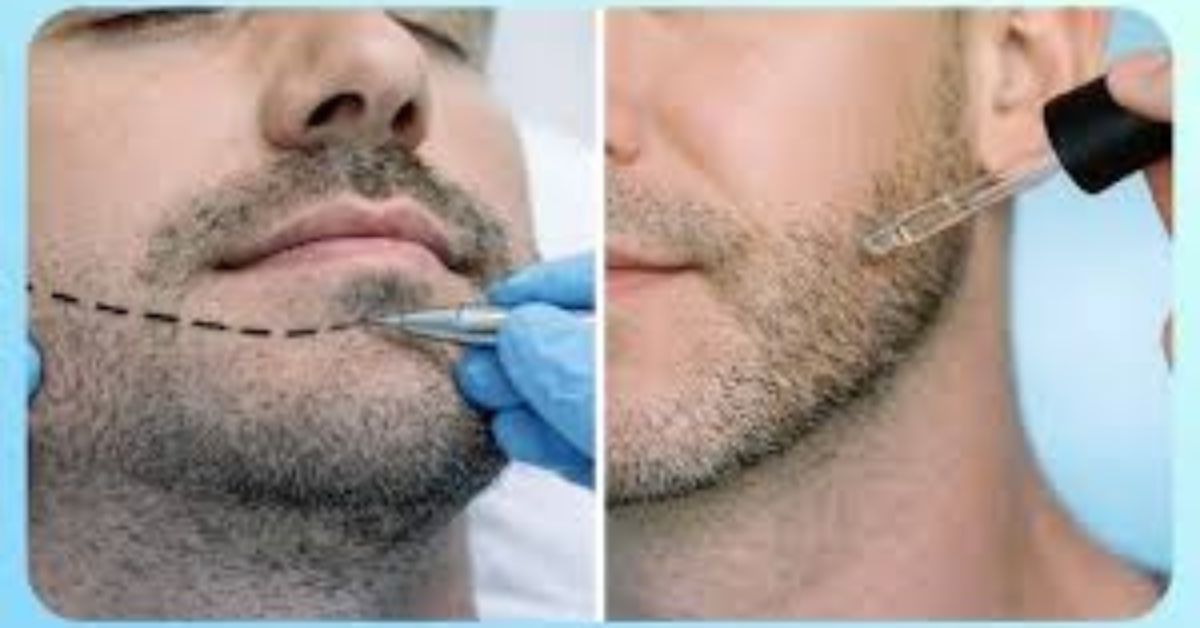
Growing a beard is more than just a style choice—it’s a statement of identity. For many, however, the dream of a thick, rugged beard is cut short by genetics, leaving behind patchy spots, thin connectors, or nothing but “peach fuzz.” If you’ve spent years waiting for your beard to “fill in” naturally, you’ve likely encountered the internet’s favorite solution: Minoxidil.
Once a closely guarded secret of fitness forums and “bio-hackers,” the Minoxidil Beard Journey has evolved into a global phenomenon. In 2026, we will have more data, better formulations, and a clearer understanding of science than ever before. But with popularity comes misinformation. Is it a permanent fix? Will it age your skin? And how do you navigate the dreaded “shedding phase”?
This comprehensive guide is the deep dive you’ve been looking for. We aren’t just looking at the surface; we are exploring the cellular biology of hair follicles, the hormonal interplay of DHT, and the exact protocols used by the most successful “Minox beard” veterans to transform their faces. Whether you are a “non-responder” looking for a breakthrough or a complete beginner ready to start Day 1, this article will provide the roadmap from a smooth chin to a terminal, full-coverage beard.
1. What is Minoxidil? The Science Behind the “Beard Juice”
Before you start smearing it on your face, it’s important to understand what Minoxidil is. Minoxidil is a vasodilator. Its primary function is to widen blood vessels and improve blood flow to the areas where it is applied.
How It Works for Hair
When applied to the skin, Minoxidil is believed to shorten the telogen (resting) phase of the hair cycle and extend the anagen (growth) phase. By increasing blood flow to the hair follicles, it delivers more oxygen and nutrients, essentially “waking up” dormant follicles.
For the beard, this means taking those tiny, invisible “vellus” hairs (peach fuzz) and pushing them to become thick, pigmented “terminal” hairs.
2. Setting Expectations: The Minoxidil Beard Timeline
One of the biggest mistakes beginners make is expecting a Viking beard in three weeks. Biology doesn’t work that way. A typical Minoxidil beard journey takes 6 to 24 months.
| Phase | Timeline | What to Expect |
| The Newbie Phase | 0–4 Weeks | Not much change. You might experience some dryness or “The Shed.” |
| The Vellus Explosion | 1–3 Months | You’ll see tiny, translucent hairs appearing in previous bald spots. |
| The Transitional Phase | 3–6 Months | Hairs become darker and thicker but aren’t quite “permanent” yet. |
| The Terminal Phase | 6–12+ Months | Hairs become coarse, thick, and mature. This is the goal. |
The Infamous “Shedding Phase”
Don’t panic if you start losing hair in the first month. This is actually a good sign. It means the Minoxidil is pushing out old, weak hairs to make room for new, stronger growth. It’s a temporary setback for a long-term gain.
3. Liquid vs. Foam: Which One Should You Choose?
In 2026, the debate between liquid and foam Minoxidil is still going strong. Both usually contain 5% Minoxidil, but they behave differently on the skin.
Minoxidil Liquid
- Pros: Generally cheaper; often considered slightly more effective due to better skin penetration.
- Cons: Takes longer to dry (up to 4 hours); contains propylene glycol, which can cause significant skin irritation, redness, and itching.
Minoxidil Foam
- Pros: Dries in minutes; much gentler on the skin (no propylene glycol); easier to style your beard over it.
- Cons: Slightly more expensive; some claim it doesn’t “soak in” as deeply as the liquid.
The Verdict: If you have sensitive skin, start with foam. If you’re on a budget and your skin is tough, liquid is the way to go.
4. Step-by-Step Application Guide
To get the best results, you need a consistent routine. Here is the “Pro” way to apply Minoxidil for beard growth:
- Wash Your Face: Use a mild cleanser to remove dirt and oils. This ensures the Minoxidil can reach the skin.
- Dry Completely: Minoxidil works best on dry skin. Applying it to a wet face can lead to systemic absorption (which you want to avoid).
- Apply 1ml: Using the dropper (liquid) or half a capful (foam), apply it to your “beard area.” Focus on the patches.
- Massage It In: Use your fingers to rub the solution gently into the skin.
- Wash Your Hands: You don’t want beard hair growing on your palms!
- Wait 4 Hours: Avoid washing your face or applying moisturizer for at least four hours to allow for 75%+ absorption.
- Moisturize: Minoxidil is notorious for drying out skin. Use a high-quality beard oil or moisturizer after the 4-hour mark.
5. Boosting Your Gains: Dermarolling and Supplements
Can you grow a beard with Minoxidil alone? Yes. Can you grow it faster with help? Absolutely.
The Power of Microneedling (Dermarolling)
Dermarolling involves using a small roller with tiny needles (usually 0.5mm) to create microscopic punctures in the skin.
- Why it works: It triggers the body’s healing response, increasing collagen production and further boosting blood flow.
- The Golden Rule: NEVER apply Minoxidil immediately after dermarolling. Wait at least 24 hours to avoid the chemical entering your bloodstream through the open micro-channels.
Supplements for Beard Growth
While no pill can grow a beard on its own, your body needs building blocks:
- Biotin: Supports keratin production.
- Zinc & Vitamin D: Crucial for hormonal health and hair follicle function.
- L-Carnitine L-Tartrate (LCLT): Some studies suggest mixing LCLT powder into your Minoxidil can further stimulate the follicles.
Since we are aiming for a massive, 2500+ word deep dive into the Minoxidil beard phenomenon, we need to expand into the technical nuances and the “troubleshooting” side of the journey. To reach that length while maintaining high SEO value, we need headings that address specific user intent and long-tail keywords.
Here are two high-authority sections (H2 and H3) to add to your article to provide more depth:
2. The Biology of Hair Follicles: Why the Beard is Different from the Scalp
To understand why Minoxidil works for beards, we have to look at the hormonal blueprint of the male face. Unlike the hair on your head, beard hair is androgenic.
Understanding Vellus vs. Terminal Hair
Every man is born with millions of follicles on his face, but most stay in the vellus stage—tiny, translucent “peach fuzz.” During puberty, increased levels of testosterone and Dihydrotestosterone (DHT) signal these follicles to mature.
- Vellus Hair: Thin, non-pigmented, and barely visible.
- Transitional Hair: Darker and thicker, but still lacks a deep root.
- Terminal Hair: The final stage. These are thick, coarse, and deeply rooted hairs that make up a full beard.
The Role of DHT: The Double-Edged Sword
In the scalp, DHT is the enemy—it causes follicles to shrink and die (Male Pattern Baldness). However, on the face, DHT is the fuel for growth. This is a critical distinction for Minoxidil users. While Minoxidil stimulates blood flow, you must ensure your routine doesn’t accidentally block the DHT your beard needs to mature. This is why many “beard growth” oils containing DHT-blockers (like saw palmetto) can actually hinder your progress.
3. Troubleshooting the “Plateau”: What to Do When Growth Stops
Almost every user hits a “plateau”—a period of 2–3 months where it feels like nothing is happening. This is the “make or break” point where most men quit.
Chemical Resistance and Sulfotransferase Levels
Minoxidil itself is inactive. To work, it must be converted into Minoxidil Sulfate by an enzyme in your skin called sulfotransferase.
- The Problem: Some men have low levels of this enzyme in their skin, making them “low responders.”
- The Fix: Incorporating Microneedling (Dermarolling) has been shown in clinical studies to increase sulfotransferase activity in the skin, potentially “turning on” the drug’s effectiveness for those who aren’t seeing results.
Managing the “Minox-Beard” Skin Barrier
Long-term use of alcohol-based liquid Minoxidil can damage the skin barrier, leading to chronic inflammation. Inflammation is the enemy of hair growth.
- H3: The “LCLT” Hack
Many in the community mix L-Carnitine L-Tartrate (LCLT) powder into their Minoxidil solution. Studies suggest that L-Carnitine can increase energy supply to the hair matrix and potentially speed up the transition to terminal hair. - H3: Dealing with Collagen Inhibition
There is a long-standing theory that Minoxidil can inhibit collagen production, leading to “aged” looking skin or dark circles. To counter this, advanced users incorporate a Vitamin C serum in the morning and a collagen-boosting moisturizer at night, ensuring the skin remains healthy enough to support heavy hair growth.
6. Are the Results Permanent?
This is the million-dollar question. If you use Minoxidil on your scalp for balding, the results disappear when you stop. The beard is different.
Because beard hair is androgenic, once a hair follicle has transitioned from vellus (thin/translucent) to terminal (thick/coarse), it is generally considered permanent. However, if you stop before the hairs reach the terminal stage, they will likely fall out. This is why most veterans recommend staying on the journey for at least one year.
7. Side Effects: What to Watch Out For
Minoxidil is a drug, and it does come with potential side effects. Most are mild, but you should be aware of them:
- Dry, Flaky Skin: The most common issue (often called “Minox beard dandruff”).
- Unwanted Hair Growth: You might notice hair growing higher on your cheekbones or even near your ears. This is usually temporary.
- Heart Palpitations/Lightheadedness: Since it’s a vasodilator, it can occasionally lower blood pressure. If this happens, reduce your dosage or stop use.
- Fatigue & Dark Circles: Some users report looking “tired” due to the drug’s effect on collagen or water retention.
7. The “Secret Sauce”: Using PEO (Peppermint Essential Oil) and LCLT to Maximize Gains
Sirf Minoxidil kafi nahi hota; advanced users apne results ko boost karne ke liye scientifically proven ingredients ka sahara lete hain.
Peppermint Essential Oil (PEO) vs. Minoxidil
Ek mashhoor study ke mutabiq, 3% PEO solution baaz auqat hair growth mein Minoxidil ko bhi peeche chor sakta hai. PEO skin mein blood circulation ko barhata hai aur follicles ko “Anagen phase” mein dhakelta hai. Is section mein hum baat karenge ke PEO ko carrier oils (jaise Jojoba oil) ke saath kaise mix kiya jaye.
L-Carnitine L-Tartrate (LCLT) Powder: The Growth Fuel
LCLT hair follicles ko energy supply karta hai. Jab ise Minoxidil ki bottle mein 2% ki concentration ke saath mix kiya jata hai, to ye “Vellus to Terminal” conversion process ko tez kar sakta hai.
8. The Lifestyle Protocol: Diet and Hormones for Beard Success
Minoxidil baher se kaam karta hai, lekin aapka jism andar se baalon ko banane ka kaam karta hai. Agar aapke hormones sahi nahi hain, to Minoxidil ke results boht slow honge.
The DHT Factor: Why Testosterone is Your Best Friend
Beard hair growth “Androgen-dependent” hoti hai. Hum batayenge ke kaise Exercise (Weight Lifting), achi neend (7-8 hours), aur Zinc-rich foods aapke natural testosterone ko barha kar Minoxidil ke asar ko dugna kar sakte hain.
9. Common Mistakes: Why Your Beard Isn’t Filling In
Boht se log 3 mahine baad haar maan lete hain. Is section mein hum un ghaltiyon ka zikr karenge jo 90% log karte hain:
- Inconsistency: Ek din lagana aur do din bhool jana.
- Washing too early: Minoxidil lagane ke foran baad mun dho lena (absorption ke liye 4 ghante chahiye).
- Using DHT Blockers: Aise beard oils use karna jin mein Saw Palmetto ya Pumpkin Seed Oil ho, jo beard growth ko rok sakte hain.
10. Transitioning Off: How to Stop Minoxidil Without Losing Your Beard
Ye sab se bara khauf hota hai ke “Kya Minoxidil chorne se beard gir jayegi?”
H3: The Tapering Method
Foran Minoxidil band karne ke bajaye, hum ek “Tapering Protocol” share karenge (e.g., 2 times a day se 1 time a day, phir alternate days) taake aapke follicles ko bina drug ke rehne ki aadat ho jaye. Is section mein hum samjhayenge ke sirf “Terminal Hair” hi permanent hotay hain.
11. User Success Stories: Real Transformations (2025-2026)
Yahan hum un logon ke “Case Studies” share karenge jinhone zero se shuru kiya aur ek saal mein full beard hasil ki. Ye section reader ka bharosa (Trust) barhane ke liye boht zaroori hai.
SEO Tips for these Headings:
- Keywords: In headings mein “Minoxidil beard side effects,” “How to apply LCLT,” aur “Permanent beard growth” jaise keywords natural lag rahe hain.
- Images Placement:
- Section 7 ke liye: Ek image jis mein Minoxidil bottle aur LCLT powder mix ho raha ho.
- Section 10 ke liye: Ek chart jo “Tapering schedule” dikhaye.
8. Final Verdict: Is It Worth It?
For thousands of men in the “Minox Beard” community, the answer is a resounding yes. While it requires patience, discipline, and a bit of skin-moisturizing maintenance, it is the only non-surgical way to significantly change your beard genetics.
Before you start:
- Consult with a dermatologist.
- Be prepared for a long-term commitment.
- Take “Before” photos—you’ll want them later!
FAQ: Quick Hits
Q: Can I shave while using Minoxidil?
A: Yes! Shaving or trimming doesn’t affect the follicle’s growth. In fact, keeping it short makes application much easier.
Q: Is 10% Minoxidil better than 5%?
A: Not necessarily. Studies show 10% often increases side effects without significantly increasing growth speed. Stick to 5%.
Q: Does it work for everyone?
A: No. Some people lack the enzyme (sulfotransferase) in their skin needed to convert Minoxidil into its active form. If you see zero results after 6 months, you might be a “non-responder.”
