
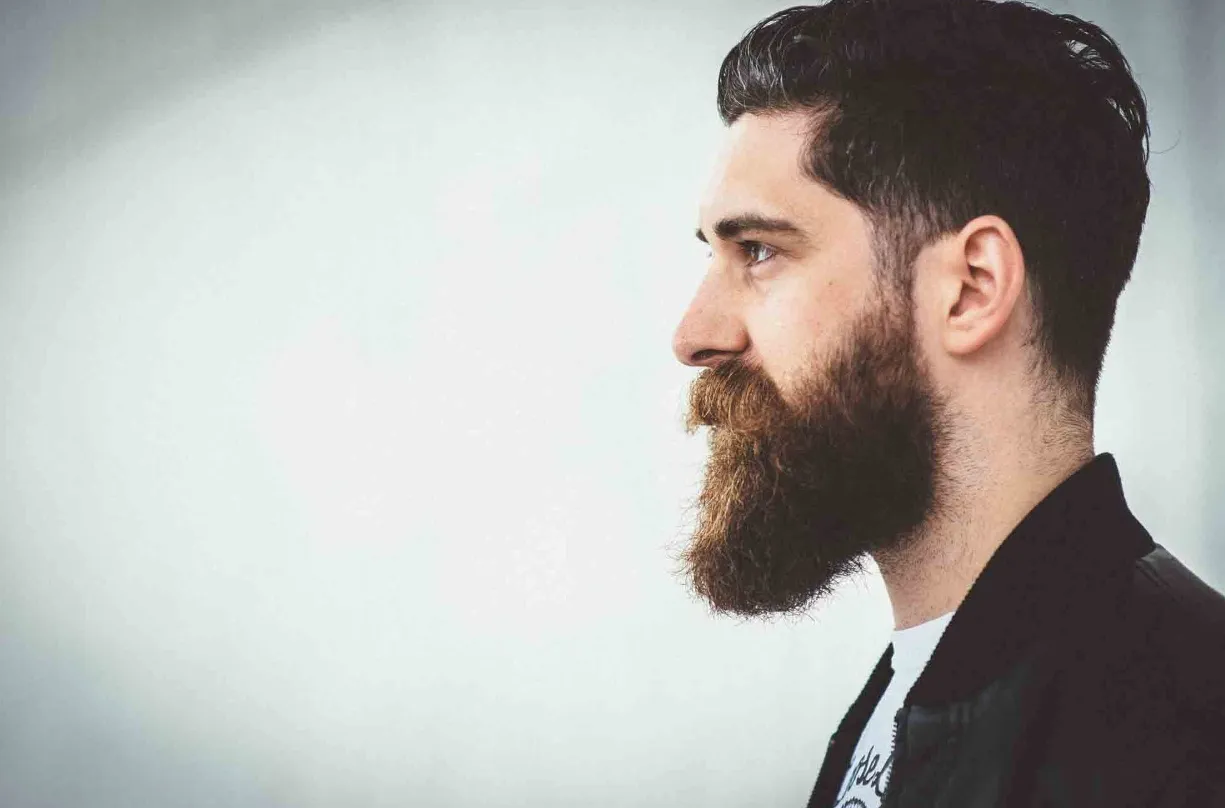
For years, the “Yeard” (a year’s worth of growth) was the gold standard. Today, the focus is on density and health. Men are no longer just letting hair grow; they are sculpting it to enhance their facial features.
The most successful styles this year combine traditional length with modern barbering techniques, such as beard fades and low cheek lines.
1. Top Long Beard Styles for 2026
A. The Power Beard (Groomed Full Beard)
The Power Beard is the CEO of facial hair. It typically ranges from 4 to 6 inches in length.
- The Look: Thick, uniform density with a squared-off bottom.
- Best For: Men with naturally thick growth.
- 2026 Twist: Use a beard balm with a matte finish to keep it looking professional and structured rather than shiny or greasy.
B. The Tapered Long Beard
This is the most popular “modern” long style. It involves a “fade” where the sideburns are very short, gradually getting longer toward the chin.
- The Look: A sharp gradient that blends into a long, heavy chin area.
- Best For: Round or square faces, as it elongates the jawline.
C. The Verdi Revival
Named after the 19th-century composer, this style is making a massive comeback among enthusiasts.
- The Look: A full, rounded beard (usually 3–4 inches) paired with a distinct, styled handlebar moustache.
- Maintenance: High. You’ll need moustache wax daily to keep the curls in place.
D. The Textured Timber Beard
For those who want a rugged, outdoorsy vibe without looking messy.
- The Look: Natural waves and slight bulk on the sides, but with a strictly defined neckline to prevent “neckbeard” territory.
- Best For: Oval and oblong face shapes.
E. The Spartan Beard
Inspired by ancient warriors, this style focuses on a sharp, V-shaped point at the chin.
- The Look: Trimmed tight on the cheeks, with maximum length concentrated at the very center of the chin.
- Best For: Enhancing a weak jawline or adding “edge” to a soft face.
2. Choosing a Style for Your Face Shape
A long beard can either mask your flaws or highlight them. Use this table to find your perfect match:
| Face Shape | Recommended Long Style | Why it Works |
| Round | Tapered Long Beard / Spartan | Adds vertical length to balance width. |
| Square | Rounded Full Beard / Verdi | Softens the sharp angles of the jaw. |
| Oval | Any Long Style | The most versatile shape; focus on density. |
| Oblong | Boxed Full Beard (wider sides) | Adds width to prevent the face from looking too thin. |
| Diamond | Rounded Garibaldi | Fills in the narrow chin area to balance wide cheekbones. |
3. How to Grow a Long Beard (The 12-Month Roadmap)
Growing a long beard isn’t a passive process. Here is what to expect:
Months 1–3: The Awkward Phase
This is where most men quit. The beard is itchy and looks patchy.
- Tip: Start using beard oil immediately to soothe the skin.
- Action: Resist the urge to trim the length. Only clean up the neckline (two fingers above the Adam’s apple).
Months 4–8: Building the Silhouette
The hair is now long enough to be affected by gravity.
- Tip: Switch to a beard wash (not hair shampoo). Standard shampoo strips the natural oils (sebum) from your face, leading to “beardruff.”
- Action: Visit a barber for your first “shaping” to establish the lines.
Months 9–12: The Maintenance Phase
You have reached “Long Beard” status.
- Tip: Use a Boar Bristle Brush. It redistributes oils and “trains” the hairs to grow downward.
- Action: Trim split ends every 4 weeks to keep the beard looking thick rather than wispy.
4. The Essential Long Beard Grooming Kit
To maintain a high-volume, healthy beard, you need the right tools.
- Beard Oil: Essential for skin hydration. Apply 3–5 drops daily.
- Beard Balm: Provides “hold” for styling and keeps flyaway hairs down.
- Wooden Beard Comb: Unlike plastic combs, wood doesn’t create static, which prevents frizz.
- High-Quality Trimmer: Look for one with vacuum suction or self-sharpening blades for home touch-ups.
- Beard Scissors: For precision snips of stray hairs that the trimmer might miss.
6. The Science of Follicular Longevity: Maximizing Beard Growth Potential
Growing a beard to extreme lengths (6+ inches) isn’t just about waiting; it’s about biology. Many men hit a “growth plateau” where the beard seems to stop getting longer. Understanding science can help you break through.
Understanding the Anagen Phase
Every hair follicle on your face goes through three phases: Anagen (growth), Catagen (transition), and Telogen (resting/shedding). The length of your Anagen phase is genetically determined and usually lasts between 2 to 7 years. To reach a “terminal beard” (the maximum length your DNA allows), you must ensure your follicles stay in the Anagen phase as long as possible by reducing oxidative stress and inflammation on the skin.
The Role of Biotin and Keratin
Your beard is primarily composed of Keratin, a structural protein. To support 2,500 words worth of grooming wisdom, we must look at the internal building blocks. Supplementing with Biotin (Vitamin B7) and Collagen has been shown to improve the infra-structure of keratin, leading to thicker individual strands. Thicker strands mean less breakage, which allows the beard to appear longer and fuller over time.
Micro-Circulation and Derma Rolling
In 2026, the use of Derma Rollers (Microneedling) has moved from scalp hair restoration to the beard world. By using 0.5mm needles, you create “micro-injuries” that signal the body to send collagen and nutrient-rich blood to the area. This can help wake up dormant follicles in patchy areas, ensuring your long beard is dense from the cheek down to the chin.
7. Environmental Protection: Shielding Your Beard from the Elements
Once a beard reaches a significant length, it becomes vulnerable to environmental damage. Unlike the hair on your head, beard hair is more porous and prone to “weathering.”
The Impact of UV Radiation and Humidity
Long-term exposure to the sun can break down the protein bonds in your beard, leading to a “copper” tint (sun bleaching) and brittleness.
- The Solution: Use beard oils that contain natural UV blockers like Raspberry Seed Oil or Karanja Oil.
- Humidity Control: In high humidity, the hair cuticle opens up, leading to “beard frizz.” Using a heavy beard butter with beeswax or shea butter creates a protective seal that locks moisture in and keeps environmental humidity out.
Hard Water vs. Soft Water Washing
Many men don’t realize that the water in their shower is sabotaging their growth. Hard water contains calcium and magnesium that create a “film” on the beard, making it stiff and difficult to comb.
- Pro Tip: If you live in a hard water area, perform a monthly “Apple Cider Vinegar Rinse.” This acidic rinse breaks down mineral buildup and restores the pH balance of your skin, leaving the beard incredibly soft and manageable.
Chlorine and Saltwater Protection
If you are an active swimmer, your long beard is at risk. Chlorine is a chemical bleach that strips every ounce of natural sebum.
- The Routine: Before entering a pool or the ocean, soak your beard in fresh water and apply a generous layer of beard conditioner. This saturates the hair “sponge,” preventing it from absorbing the salt or chemicals.
9. The Long Beard Lifestyle: Diet, Sleep, and Psychology
A long beard is an extension of your physical health. If your body is struggling, your beard will be the first thing to show it. In this section, we look at the internal factors that contribute to a “hall of fame” beard.
The Testosterone-Beard Connection
Testosterone and its byproduct, Dihydrotestosterone (DHT), are the primary hormones responsible for facial hair growth. While genetics play a massive role, you can naturally optimize these levels.
- Resistance Training: Heavy lifting (squats, deadlifts) has been shown to spike testosterone levels, which directly feeds the follicles.
- Sleep Hygiene: 80% of human growth hormone is produced during deep sleep. If you are sleep-deprived, your beard growth will slow down and the hair will become thin and brittle.
Nutritional Foundations: Eating for Volume
To maintain a beard that is 6 inches or longer, you need a diet rich in specific micronutrients:
- Vitamin A: Helps skin produce sebum (natural oil).
- Zinc and Magnesium: Essential for protein synthesis and preventing hair loss.
- Omega-3 Fatty Acids: Found in salmon and walnuts, these give your beard that natural, healthy “shine” without needing excess product.
The Psychology of the Long Beard
There is a mental shift that happens when you grow a long beard. It changes how the world perceives you and how you perceive yourself.
- Perception of Authority: Studies often show that men with well-groomed long beards are perceived as more mature and trustworthy.
- The “Patience Discipline”: Growing a beard for a year or more teaches discipline. It is a slow-reward process in a world of instant gratification.
10. Troubleshooting Common Long Beard Disasters
The longer the beard, the more problems can arise. Knowing how to fix these “disasters” is what separates the amateurs from the pros.
Dealing with “Beard Split Ends”
Just like the hair on your head, long beard hair can split at the tips. This makes the beard look frizzy and prevents it from gaining more length.
- The Fix: Never use plastic combs; they create micro-tears in the hair. Use a dedicated pair of Japanese steel beard scissors to “seek and destroy” split ends once a week.
The “Patchy Cheek” Illusion
Many men think their beard is patchy, but with a long beard, it’s usually just a matter of “length management.”
- The Fix: Allow the hair from higher up on the cheek to grow long enough to lay over the thinner spots below. This “comb-over” technique for beards is a secret used by professional beard competitors to create the illusion of incredible density.
Beard Odor and Deep Cleaning
A long beard acts like a filter for everything—food, smoke, and sweat. If not cleaned properly, it can develop an unpleasant scent.
- The Fix: Use a Beard Exfoliant once a week. This removes dead skin cells trapped under the heavy hair. Follow up with a scented beard butter containing sandalwood or cedarwood for a long-lasting, masculine fragrance.
Managing the “Wavy” or “Curly” Beard
As beards get longer, they often develop a “kink” or wave under the chin.
- The Fix: Use a round brush and a blow dryer on a medium-heat setting. Brush the hair outward and then downward while drying to “set” the hair in a straight line. This can add 1 to 2 inches of visible length instantly.
8. Advanced Styling Techniques for the Modern Gentleman
The “Heat-Styling” Revolution
While traditionalists stick to combs, the 2026 trend for long beards involves Heated Beard Brushes. To get that perfectly straight, “Viking-style” length, using a ceramic-coated heated brush at a low temperature (around 180°C) can transform a curly, tangled mess into a sleek, elongated masterpiece in under three minutes.
The Art of the Beard Fade
A long beard looks best when contrasted with a “skin fade” at the temples. This creates a visual “taper” that makes the beard appear to pop off the face. By keeping the sideburns nearly invisible, the focus remains entirely on the volume and length of the chin and jawline area.
5. Pro Tips for High Search Visibility (SEO)
If you are a blogger or influencer writing about beards, keep these SEO strategies in mind:
- Use Long-Tail Keywords: Instead of just “beard,” target “best long beard styles for round faces 2026” or “how to fix a patchy long beard.”
- Optimize Images: Use ALT text like “Man with long tapered beard style and fade haircut” for your photos.
- Answer User Intent: People searching for long beards are usually looking for either style inspiration or growth troubleshooting. Cover both.
Conclusion
The long beard is a timeless symbol of masculinity, but in 2026, it is defined by cleanliness and shape. By choosing a style that fits your face shape and sticking to a consistent grooming routine, you can turn a “growing phase” into a signature look.
Which long beard style are you aiming for this year? Whether it’s the sharp Spartan or the classic Power Beard, the key is patience and the right oil!
