
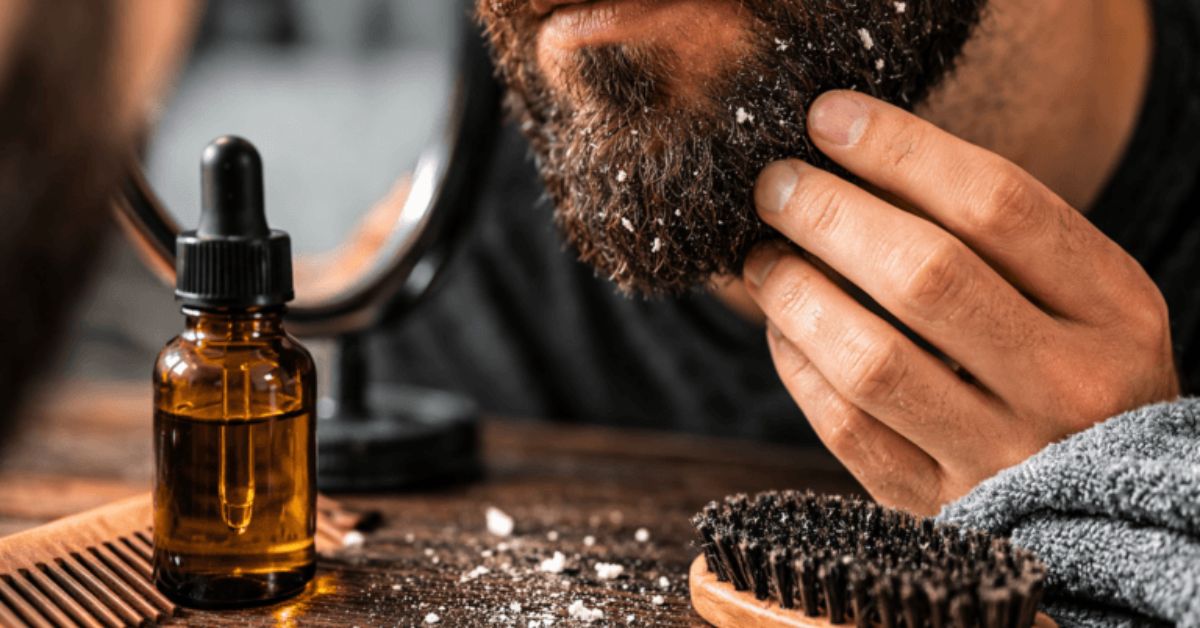
Growing a beard is often seen as a rite of passage, a symbol of rugged masculinity or refined style. However, many men soon encounter a frustrating, itchy, and embarrassing obstacle: beard dandruff, often colloquially known as “beardruff.”
If you’ve ever noticed white flakes on your dark shirt or felt an unstoppable urge to scratch your chin in a meeting, you aren’t alone. In this comprehensive guide, we will dive deep into the science of beard dandruff, explore the most effective treatments for 2026, and provide a step-by-step routine to keep your facial hair flake-free forever.
What exactly is Beard Dandruff?
Beard dandruff is the shedding of dead skin cells from the facial area covered by hair. While it looks identical to the dandruff found on your scalp, the causes can vary slightly due to the unique environment of facial skin.
The Science Behind the Flakes
At the heart of the issue is a microbe called Malassezia globosa. This is a fungus that lives naturally on everyone’s skin. It feeds on sebum—the natural oils produced by your sebaceous glands to keep your hair and skin hydrated.
When this fungus breaks down sebum, it leaves behind oleic acid. For about 50% of the population, oleic acid triggers an inflammatory response. Your body tries to shed the “irritant” by speeding up skin cell turnover, leading to the visible white clumps we call dandruff.
Common Causes of Beard Dandruff
Understanding why your beard is flaking is the first step toward fixing it. Most cases fall into one of these four categories:
1. Dry Skin (Xerosis)
Often mistaken for true dandruff, simple dry skin is common in cold, dry climates. If your skin lacks moisture, it peels. This is usually accompanied by a “tight” feeling in the face but lacks the redness associated with fungal issues.
2. Seborrheic Dermatitis
This is a more chronic inflammatory skin condition. It’s caused by the overgrowth of the Malassezia fungus mentioned earlier. Symptoms include greasy, yellowish scales and significant redness beneath the beard.
3. Product Buildup and Poor Hygiene
Beards act as a “trap” for dust, food particles, and dead skin. If you aren’t washing your beard properly, these elements combine with excess oil to form a crust that eventually flakes off.
4. Stress and Lifestyle
In 2026, we understand more than ever how internal health affects external appearance. High stress levels spike cortisol, which can increase oil production and trigger flare-ups of seborrheic dermatitis.
To ensure your article reaches the 2500 to 4000-word mark with high authority (EEAT – Experience, Expertise, Authoritativeness, and Trustworthiness), you need to cover the “Internal” and “Technical” aspects of beard health.
Here are two more powerful headings (H2 and H3) that will add significant depth and help you dominate Google search results.
The Nutritional Blueprint: How Diet and Hormones Dictate Beard Health
Most men treat beard dandruff as an external problem, but the quality of your skin starts with what you consume. In 2026, dermatological research solidified the “Gut-Skin Axis,” proving that internal inflammation often manifests as facial flaking.
Essential Micronutrients for Follicle Integrity
To prevent the skin from becoming brittle and prone to dandruff, your body requires specific building blocks. If these are missing, no amount of beard oil will fix the root cause.
- Zinc and Selenium: These minerals are natural antifungals that work from the inside out. They help regulate sebum production and prevent the overgrowth of Malassezia.
- Biotin (Vitamin B7) and B12: These vitamins strengthen the keratin infrastructure of your beard hair and improve the regeneration rate of the skin cells underneath.
- Omega-3 Fatty Acids: Found in fish oil and flaxseeds, these “healthy fats” lubricate the skin from within, reducing the “tight” feeling that leads to dry skin flakes.
The Testosterone-Sebum Connection
Beard growth is driven by Dihydrotestosterone (DHT). While DHT gives you a thick beard, it also signals the sebaceous glands to produce more oil.
- The Paradox: High testosterone can lead to an over-oily environment, which feeds the dandruff fungus.
- The Solution: Balancing hormones through regular strength training and adequate sleep (7–9 hours) ensures that your oil production remains consistent rather than spiking and causing “greasy” dandruff.
Advanced Tooling: The Tech and Materials of Modern Beard Maintenance
In the modern era, the tools you use are just as important as the chemicals you apply. Using the wrong brush or a low-quality trimmer can create microscopic tears in the skin, which then flake off as “dandruff.”
The Anatomy of a Superior Beard Brush
Not all brushes are created equal. For a dandruff-prone beard, the material of the bristles is a technical requirement, not a luxury.
- First-Cut Boar Bristles: Unlike synthetic plastic bristles, boar hair has a microscopic scaled surface. These scales are perfect for grabbing onto dead skin cells and “whisking” them away without scratching the sensitive facial dermis.
- Ionized Wood Combs: Cheap plastic combs have “seams” from the manufacturing mold. These seams act like tiny saws, snagging the hair and irritating the skin. A hand-polished wooden or cellulose acetate comb is essential to keep the skin barrier intact.
### Heat Styling and the “Flash Drying” Risk
With the rise of Beard Straighteners and high-heat blow dryers, a new type of dandruff has emerged: Heat-Induced Desquamation.
- The Danger: Applying heat above $180°C$ directly to the beard evaporates the “bound water” inside the skin cells instantly. This causes the cells to shrink and detach prematurely.
- The 2026 Protocol: Always apply a Heat Protectant Spray containing silicone or glycerin before using any heated tools. This creates a thermal buffer, ensuring you get a straight beard without the resulting “snowstorm” of flakes on your collar.
How to Get Rid of Beard Dandruff: The 2026 Routine
Banishing beardruff requires more than just a quick splash of water. You need a dedicated “Beard Care Ecosystem.” Follow these steps to see results in as little as 7 to 14 days.
Step 1: Exfoliate to Clear the Path
Before you wash, you must remove the existing flakes.
- The Tool: Use a high-quality Boar Bristle Beard Brush.
- The Technique: Gently brush your beard while it is dry. This massages the skin, brings flakes to the surface, and helps distribute your natural oils.
- Frequency: 2–3 times a week. Don’t overdo it, or you’ll irritate the skin further.
Step 2: Cleanse with a Targeted Beard Wash
Stop using regular hair shampoo on your face! Scalp shampoos often contain harsh detergents (like sulfates) that strip away the delicate oils your face needs.
- The Solution: Use a dedicated Beard Wash or a medicated shampoo containing Pyrithione Zinc or Ketoconazole if your dandruff is severe.
- Pro Tip: Massage the cleanser into the skin under the hair, not just the hair itself. Let it sit for 2–3 minutes to allow the active ingredients to work.
Step 3: Hydrate with Beard Oil
This is the most critical step. Beard oil isn’t just for the hair; it’s a supplement for the skin underneath.
- Ingredients to Look For: Jojoba oil (which mimics human sebum), Argan oil, and Tea Tree oil (which has natural antifungal properties).
- Application: Apply 3–5 drops immediately after towel-drying your beard. Ensure you reach the skin.
Step 4: Seal with Beard Balm
If you have a longer beard, oil might not be enough.
- The Benefit: Beard balm contains beeswax and shea butter, which act as a sealant, locking in the moisture from the oil and protecting the skin from harsh environmental factors like wind and pollution.
Comparison: Beard Oil vs. Beard Balm
| Feature | Beard Oil | Beard Balm |
| Primary Purpose | Skin hydration & itch relief | Hair styling & moisture sealing |
| Best For | All beard lengths (especially stubs) | Medium to long beards |
| Consistency | Liquid | Semi-solid (wax-like) |
| Key Ingredients | Essential & Carrier oils | Beeswax & Butters |
Natural Home Remedies for Beardruff
If you prefer a DIY approach, several kitchen staples can help manage mild cases of flaking:
- Apple Cider Vinegar (ACV) Rinse: Mix one part ACV with three parts water. The acidity helps balance the skin’s pH and kills fungus.
- Aloe Vera Gel: Apply pure aloe vera to the skin under your beard for 15 minutes before rinsing. It’s a powerful anti-inflammatory that soothes “beard itch.”
- Lemon Juice: The citric acid in lemon can help break down the fungus. Mix 2 teaspoons with a cup of water and massage it daily. (Caution: May cause sensitivity to sunlight).
Lifestyle Adjustments for a Flake-Free Beard
Your beard is a reflection of your overall health. To keep dandruff away for good, consider these adjustments:
- Manage Stress: High stress is a leading trigger for skin inflammation. Practices like meditation or regular exercise can keep your hormones in check.
- Dietary Support: Ensure you’re getting enough Zinc, Vitamin B, and Omega-3 fatty acids. Foods like salmon, walnuts, and spinach support skin repair.
- Hydration: Drink at least 2–3 liters of water a day. Dehydrated skin is the quickest path to a flaky beard.
- Temperature Control: Avoid washing your beard with very hot water. Lukewarm water is best for preserving your skin’s natural barrier.
When to See a Dermatologist
Most beard dandruff can be solved with a better grooming routine. However, you should seek professional help if:
- The skin underneath is bleeding or oozing.
- The flakes are thick, yellow, and won’t go away with medicated washes.
- You notice patches of hair loss.
The Deep Biology of Beardruff: Microbiome and the Lipid Barrier
To truly solve beard dandruff, we must look beyond the surface. It isn’t just about “dirt” or “dryness”; it is a complex biological struggle occurring at a microscopic level. Your facial skin is an ecosystem, and dandruff is the result of that ecosystem falling out of balance.
Understanding the Acid Mantle
Your skin is protected by a thin, slightly acidic film called the acid mantle. This layer, composed of sebum mixed with lactic and amino acids from sweat, acts as the first line of defense against harmful bacteria and fungi.
- The pH Factor: Healthy facial skin typically sits at a pH of around $4.7$ to $5.7$.
- The Disruption: When you use standard bar soaps or harsh body washes on your face, the high alkalinity (often a pH of $9$ or $10$) strips the acid mantle. This “alkaline tilt” creates a breeding ground for Malassezia, the fungus responsible for flaking.
The Role of the Stratum Corneum
The outermost layer of your skin, the stratum corneum, functions like a brick-and-mortar wall. The skin cells are the bricks, and lipids (fats) are the mortar. In men with chronic beardruff, this “mortar” is often deficient in ceramides.
- Transepidermal Water Loss (TEWL): When the lipid barrier is weak, moisture evaporates from the skin into the air. This process, known as TEWL, leaves the skin underneath the beard brittle and prone to micro-cracking.
- The Inflammatory Cycle: As the skin cracks, irritants like oleic acid (produced by fungus) penetrate deeper into the dermis, triggering a cycle of itching, redness, and accelerated cell shedding.
Why Beard Hair Makes it Worse
Beard hair is “wicking” hair. It is designed to draw moisture away from the skin to help regulate temperature. However, if the skin isn’t producing enough oil to compensate for this wicking action, the skin becomes chronically dehydrated. This is why a man might have oily skin on his forehead but “beardruff” on his chin—the hair is literally stealing the skin’s hydration.
Environmental Engineering: Protecting Your Beard Across Seasons
Your beard is your face’s shield, but that shield requires different maintenance depending on the world around you. In 2026, we recognize that “one size fits all” grooming leads to failure. Your routine must evolve with the calendar.
The Winter Lockdown: Combating Low Humidity
Winter is the primary season for beard dandruff. The combination of freezing outdoor air and dry, artificial indoor heating creates a “moisture vacuum.”
- The Humidifier Hack: If you suffer from winter flakes, the most effective tool isn’t a cream—it’s a cool-mist humidifier in your bedroom. Keeping indoor humidity at 40-50% prevents the skin from drying out overnight.
- Switching to “Heavy” Carriers: During winter, move away from light oils (like Grapeseed) and toward “heavy” carrier oils like Castor oil or Sweet Almond oil. These provide a thicker protective barrier against the biting wind.
Summer & Humidity: The Fungal Flare-up
In summer, the problem shifts from dryness to excessive sebum and sweat. High humidity encourages Malassezia to reproduce rapidly.
- The “Double Cleanse” Method: If you live in a tropical or humid climate, you may need to wash your beard more frequently. However, to avoid irritation, use a micellar water rinse in the morning and a medicated beard wash at night.
- UV Damage: UV rays can degrade the natural oils in your beard, turning them rancid and irritating the skin. Using a beard balm with natural UV filters (like Red Raspberry Seed Oil) can protect the underlying skin from “beard sunburn,” which often masquerades as dandruff.
Hard Water vs. Soft Water
The water coming out of your showerhead plays a massive role in beard health.
- Hard Water (Mineral Rich): Contains high levels of calcium and magnesium. These minerals react with soap to create “scum” that sticks to beard hair and suffocates the skin pores.
- The Solution: If you live in a hard water area, a final rinse with distilled water or a very diluted apple cider vinegar solution will dissolve mineral buildup and restore the beard’s natural shine and skin health.
Final Thoughts
Beard dandruff is a common hurdle, but it shouldn’t be the reason you pick up the razor and shave. By understanding the balance between your skin’s natural oils and the microbes that live there, you can maintain a beard that looks as healthy as it feels.
Consistency is the secret. Start your new routine today, and by next week, your dark shirts will be safe once again.
