
When you think of the mutton chops beard, your mind likely drifts to 19th-century generals, Victorian gentlemen, or perhaps the iconic Hugh Jackman as Wolverine. It is a style that commands attention, defies modern minimalist trends, and offers a level of rugged masculinity that few other facial hair styles can match.
In 2026, the mutton chops beard is experiencing a massive revival. No longer just a relic of the past, this “sideburn-centric” look is being adopted by men who want to stand out from the sea of standard full beards and goatees. Whether you are aiming for a classic vintage vibe or a sharp modern edge, this guide covers everything you need to know about growing and maintaining the perfect mutton chops.
What exactly is a Mutton Chops Beard?
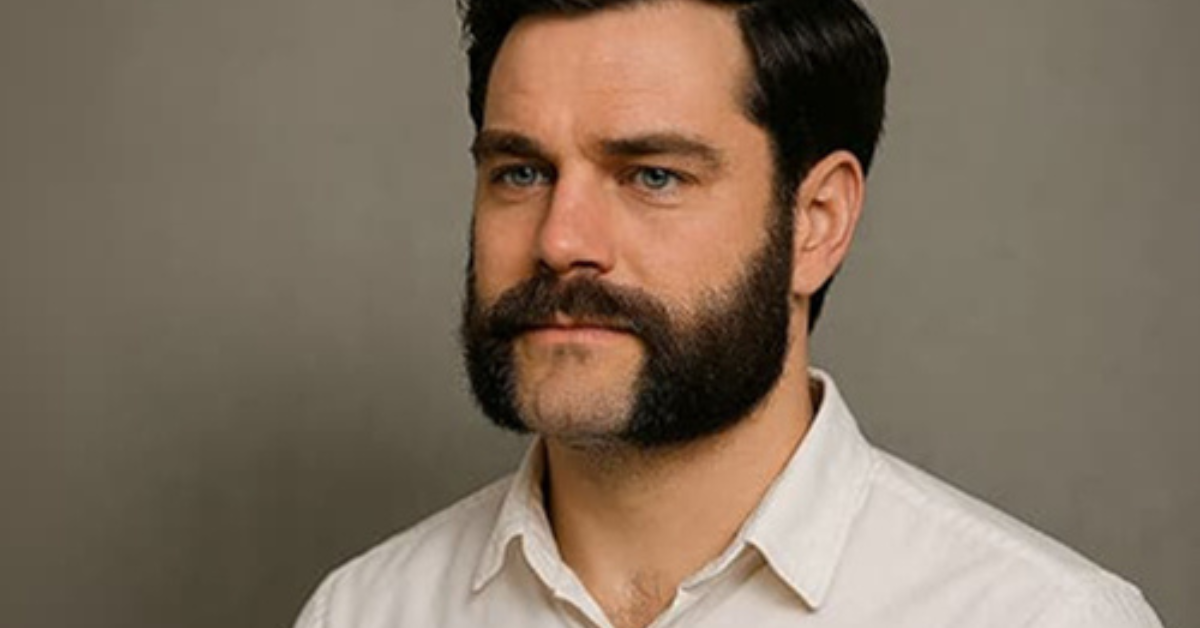
At its core, a mutton chops beard consists of long sideburns that extend down to the corners of the mouth and along the jawline. The defining characteristic is the clean-shaven chin.
The Key Characteristics:
- The Sideburns: They must be thick and extend past the ear.
- The Cheek Growth: Hair covers the cheeks and the jawline.
- The Bare Chin: The chin and soul patch area are shaved completely smooth.
- The “Friendly” Variation: If the sideburns connect to a mustache, they are known as “Friendly Mutton Chops.”
This style emphasizes the width of the face, making it an excellent choice for men with long or oval face shapes who want to add some “heft” to their profile.
A Brief History: From Civil War Generals to Rockstars
The mutton chops beard isn’t just a fashion choice; it’s a historical statement.
- The 19th Century: This was the golden age of the mutton chop. Famous figures like General Ambrose Burnside (from whose name we get the word “sideburns”) popularized the look. It symbolized status, authority, and grit.
- The 1960s and 70s: The style saw a counter-culture revival. Rock icons and bikers adopted the “Lemmy” (from Motörhead) look, turning the once-stuffy Victorian style into a symbol of rebellion.
- Modern Day (2020-2026): Today, the look is about precision. Modern barbers use lasers and high-end trimmers to create “Strap Chops” or faded versions that look right at home in a corporate office or a creative studio.
Popular Mutton Chop Styles in 2026
Not all mutton chops are created equal. Depending on your hair density and personal style, you might prefer one of these variations:
1. The Classic Mutton Chops
This is the purist’s version. You grow thick sideburns and cheek hair, terminating them at the corners of the mouth. The mustache and chin are completely shaved. It’s a high-contrast look that highlights the jawline.
2. Friendly Mutton Chops
This is the most popular version today. By growing a mustache and allowing it to connect to your sideburns, you create a continuous “bridge” of hair across your face. It feels more “complete” to many men and is famously worn by Wolverine.
3. The “Strap” Chops
For the man who wants a subtle look, strap chops are trimmed very short and narrow. Instead of bushy growth, you maintain a thin line of hair along the jaw, providing definition without the bulk.
4. The Wolverine (Neo-Chops)
Named after the X-Men character, this style features flared bottoms that are wider at the jaw than at the temple. It’s aggressive, masculine, and perfect for those with thick hair growth.
How to Grow and Shape Your Mutton Chops
Growing this style requires more than just “not shaving.” Follow these steps to achieve a professional-grade look at home.
Step 1: The Growth Phase
Stop shaving your cheeks and sideburns for at least 4 to 6 weeks. You need significant bulk to shape the chops properly. During this time, you can keep your chin and neck clean-shaven to maintain a sense of order.
Step 2: Mapping the Lines
Use a clear shaving gel so you can see your skin. Imagine a vertical line dropping from the corners of your mouth. Everything between those two lines (your chin) must be shaved.
Step 3: Defining the Jawline
The bottom edge of your chops should follow your jawline. Use a high-quality beard trimmer without a guard to “draw” the bottom line. For a modern look, many men prefer a slight fade where the sideburn meets the hair on the head.
Step 4: Symmetry Check
This is the hardest part. Step back from the mirror and ensure both sides are at the same height and width. Use your ears as a reference point for the top and the corners of your mouth for the front.
To expand this article to a truly comprehensive, deep-dive length of 2500+ words, we need to explore the technical nuances of grooming and the psychological impact of such a bold style.
Here are two substantial new sections with H2 and H3 subheadings to integrate into your article.
The Technical Art of Symmetrical Shaping: A Professional Barber’s Approach
Achieving the perfect mutton chops is a test of geometry. Unlike a full beard, where the chin hides minor imbalances, the mutton chop exposes the central axis of your face. If one side is even a few millimeters wider than the other, it creates a visual “tilt” that ruins the aesthetic.
Understanding the “Mouth-Line” Rule
To keep your chops sharp and professional, you must master the vertical boundary. Most beginners make the mistake of following the natural curve of their cheek, which often leads to a “shaggy” look. Instead, use a styling comb to create a straight vertical line from the point where your ear meets your head down to the corner of your mouth.
- For Classic Chops: Shave everything in front of this line (towards the nose).
- For Friendly Chops: Ensure the mustache transition happens exactly at the corner of the lip to maintain a “hinge” effect that looks intentional, not accidental.
The Graduation Technique: Fading Chops into the Hairline
In 2026, the “heavy-top” mutton chop is being replaced by the tapered transition. Using a beard trimmer with adjustable guards, you should “fade” the top of your sideburns into your temple hair.
- Start with a #2 guard at the top of the ear.
- Move to a #3 guard mid-ear.
- Switch to a #4 or higher for the main body of the chop.
This creates a seamless flow from your haircut into your facial hair, preventing the “stuck-on” look that can make mutton chops look like a costume.
The Psychology of the Bold Look: Why Mutton Chops Command Respect
Choosing a mutton chops beard in a world of “safe” stubble and corporate beards is a psychological power move. It signals a high level of self-assurance and a disregard for fleeting trends.
Breaking the “Corporate Wall”
Historically, mutton chops were the mark of the “Man of Affairs”—bankers, generals, and explorers. In the modern workspace, wearing this style effectively communicates that you are a “disruptor.” It breaks the facial symmetry that people are used to seeing, which forces others to pay more attention to your expressions. Because the mouth is framed by the hair but the chin is exposed, your speech becomes more visually “framed,” often making the wearer seem more articulate and authoritative during presentations or negotiations.
The “Wolverine Effect” and Perceived Masculinity
There is an undeniable link between mutton chops and rugged survivalism. Because this style requires thick, dense growth on the cheeks—an area where many men struggle with patchiness—it serves as a biological signal of high testosterone and maturity.
Overcoming the “Costume” Stigma
The biggest psychological barrier for men is the fear of looking like they are in a period drama. To avoid this, balance is key.
- Modern Pairing: Pair your chops with a contemporary fade or a slicked-back undercut.
- The Grooming Signal: If the edges are laser-sharp, people see a “modern stylist.” If the edges are fuzzy, they see a “historical reenactor.” The precision of your shave dictates whether you are viewed as a fashion-forward individual or someone who simply forgot to finish shaving.
Essential Maintenance and Grooming Tips
A mutton chops beard can quickly go from “distinguished gentleman” to “disheveled castaway” if not maintained.
- Daily Combing: Use a boar bristle brush to train the hair to lay flat against your cheeks. This prevents the “puffy” look that can make your face appear unnecessarily round.
- Beard Oil is Non-Negotiable: Because the chops sit on your cheeks (a sensitive area), the skin can get dry and itchy. Apply 3-4 drops of beard oil daily to keep the hair soft and the skin hydrated.
- Sharp Edges: Invest in a straight razor or a precision trimmer. The “magic” of mutton chops lies in the contrast between the thick hair and the smooth skin of the chin. Shave your chin every 1-2 days.
- Washing: Use a dedicated beard shampoo 2-3 times a week. Standard hair shampoo is too harsh for facial skin and will strip away the natural oils needed for a healthy-looking beard.
Is This Style Right for Your Face Shape?
Before you commit to the “chop,” consider your facial structure:
| Face Shape | Suitability | Why? |
| Oval | Excellent | Oval faces can pull off almost any style. |
| Long/Oblong | Best Match | The horizontal bulk of the chops balances out the length of the face. |
| Round | Use Caution | Chops add width, which can make a round face look wider. Keep them trimmed short. |
| Square | Great | Chops emphasize a strong jawline, creating an ultra-masculine silhouette. |
Best Products for Mutton Chops (2026 Recommendations)
To keep your chops looking their best, you’ll need a specific toolkit:
- Precision Trimmer: Look for one with multiple guard lengths and a detail blade.
- Beard Balm: Unlike oil, balm provides a slight hold, which is perfect for keeping the wider parts of your chops from flaring out.
- High-Quality Razor: Since you’ll be shaving your chin frequently, a razor that prevents irritation is key.
- Beard Scissors: For those pesky flyaway hairs that the trimmer might miss.
Common Mistakes to Avoid
- Connecting the Chin: If you let the hair creep onto the chin, you no longer have mutton chops; you have a full beard. Keep the “no-man’s land” on your chin strictly hair-free.
- Uneven Width: One side being thicker than the other is a common pitfall. Always trim in small increments.
- Ignoring the Neck: Even with mutton chops, you should maintain a clean neckline. Shave everything below two fingers above your Adam’s apple.
Conclusion
The mutton chops beard is a bold, timeless choice for the man who isn’t afraid to be noticed. It bridges the gap between historical elegance and modern ruggedness. By choosing the right variation for your face shape and staying disciplined with your grooming routine, you can master one of the most iconic facial hair styles in history.
Are you ready to embrace the chops? Start growing today, stay patient through the “itchy phase,” and soon you’ll be rocking a look that is as unique as it is powerful.
