
Beard color has become a powerful style statement in modern men’s grooming. Whether you want to enhance your natural shade, cover gray hairs, or experiment with bold tones, the right beard color can completely transform your look. In 2026, beard coloring is no longer just about hiding age it’s about expressing personality, boosting confidence, and staying on trend.
This comprehensive guide will walk you through everything you need to know about beard color for men, including choosing the right shade, coloring techniques, maintenance tips, trending styles, and common mistakes to avoid.
Why Beard Color Matters in Men’s Grooming
Your beard is one of the most noticeable features of your face. Its color plays a major role in how others perceive you.
A well-chosen beard color can:
- Enhance your facial features
- Complement your skin tone
- Make your beard look fuller and healthier
- Help you appear younger or more mature depending on your goal
On the other hand, the wrong beard color can look unnatural and clash with your overall appearance.
Understanding Natural Beard Color Variations
Many men are surprised to notice that their beard color doesn’t exactly match the hair on their head. This is completely normal.
Why Beard Hair is Different
Beard hair is influenced by:
- Genetics
- Hormones (especially testosterone)
- Melanin distribution
This is why you might have:
- Dark brown hair with a reddish beard
- Black hair with gray patches
- Blonde hair with a darker beard
Instead of fighting this natural variation, modern grooming trends encourage enhancing it.
Popular Beard Colors for Men in 2026
1. Natural Black Beard
A deep black beard looks bold, sharp, and powerful. It suits men with darker hair and medium to deep skin tones.
Best for:
- Strong jawlines
- Thick beards
- Professional and clean looks
2. Dark Brown Beard
Dark brown is one of the most versatile beard colors. It looks natural and works for almost every skin tone.
Why it’s popular:
- Low maintenance
- Softer than black
- Great for beginners
3. Light Brown Beard
Light brown gives a softer and more approachable look. It adds warmth to your overall appearance.
Best for:
- Fair to medium skin tones
- Casual and relaxed styles
4. Blonde Beard
Blonde beards stand out and look unique, especially when paired with lighter hair.
Popular variations:
- Golden blonde
- Ash blonde
- Dirty blonde
5. Red / Auburn Beard
Red tones in a beard are highly distinctive and attractive. Even men with dark hair can naturally have reddish beards.
Why it works:
- Adds uniqueness
- Looks bold without being extreme
6. Gray / Salt-and-Pepper Beard
Gray beards are no longer something to hide. In fact, they are now a major trend.
Benefits:
- Adds maturity and sophistication
- Looks stylish when well-groomed
7. Bold & Fashion Colors
For those who want to stand out, bold beard colors are trending in 2026.
Popular choices:
- Blue
- Silver
- Green
- Purple
These are ideal for creative personalities and fashion-forward individuals.
How to Choose the Right Beard Color
Choosing the right beard color is not just about preference it’s about balance and harmony.
1. Match Your Hair Color (or Not)
You can:
- Match your beard with your hair for a natural look
- Slightly contrast it for dimension
Avoid extreme mismatches unless you’re going for a bold style.
2. Consider Your Skin Tone
Your skin tone plays a major role in how a beard color looks on you.
Warm skin tones:
- Dark brown
- Golden blonde
- Auburn
Cool skin tones:
- Ash brown
- Jet black
- Silver
3. Think About Your Lifestyle
If you prefer low maintenance:
- Choose a shade close to your natural color
If you enjoy styling:
- Experiment with trendy or bold colors
4. Age and Style Goals
- Want to look younger? → Darker tones
- Want to look mature and classy? → Gray or salt-and-pepper
- Want to stand out? → Bold colors
Temporary vs Permanent Beard Coloring
Temporary Beard Color
- Washes out after a few washes
- Great for testing new looks
- Low commitment
Semi-Permanent Beard Color
- Lasts a few weeks
- Fades gradually
- Ideal for subtle enhancement
Permanent Beard Dye
- Long-lasting
- Requires root touch-ups
- Best for consistent color
Step-by-Step Guide to Coloring Your Beard at Home
Step 1: Choose the Right Dye
Pick a shade close to your natural beard color if you’re a beginner.
Step 2: Prepare Your Beard
- Wash your beard
- Let it dry completely
- Comb it to remove tangles
Step 3: Protect Your Skin
Apply petroleum jelly around your beard line to avoid staining your skin.
Step 4: Apply the Dye
- Use a brush or applicator
- Start from roots to tips
- Ensure even coverage
Step 5: Wait and Rinse
Follow the product instructions carefully. Rinse thoroughly after the recommended time.
Step 6: Condition Your Beard
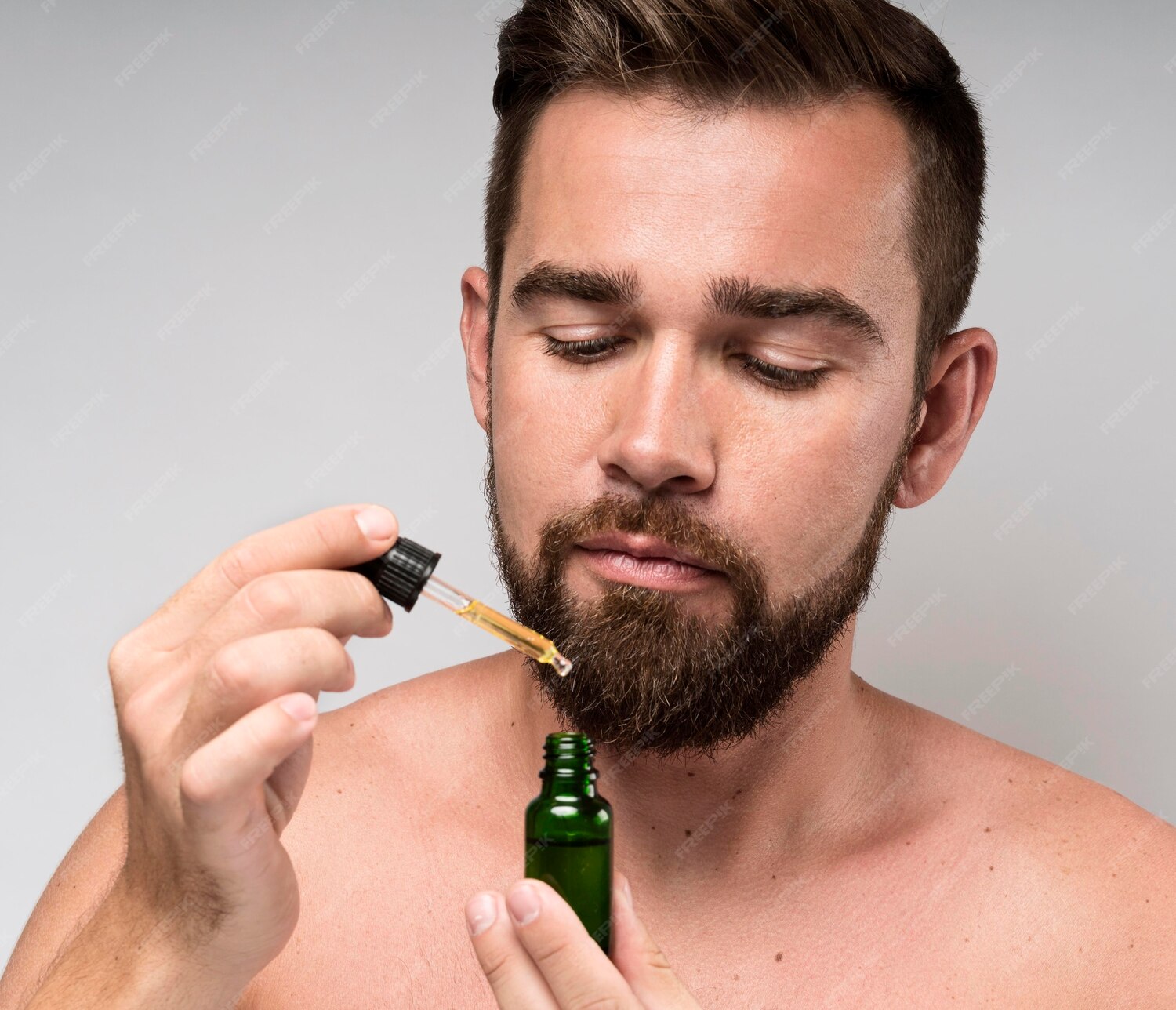
Use beard oil or conditioner to keep your beard soft and healthy.
Beard Color Maintenance Tips
Maintaining your beard color is just as important as choosing it.
1. Use Color-Safe Products
Regular shampoos can fade beard color quickly. Use mild or color-safe beard washes.
2. Moisturize Regularly
Colored beard hair can become dry. Apply:
- Beard oil
- Beard balm
3. Avoid Overwashing
Washing too often can strip color and natural oils.
4. Touch Up Roots
If you use permanent dye, touch up every 2–4 weeks.
5. Protect from Sun Damage
UV rays can fade beard color. Wear a hat or use protective products when outdoors.
Common Beard Coloring Mistakes to Avoid
1. Choosing the Wrong Shade
Going too dark or too light can look unnatural.
2. Ignoring Skin Tone
Always consider how the color complements your complexion.
3. Over-Coloring
Frequent dyeing can damage your beard and make it brittle.
4. Uneven Application
Take your time to ensure even coverage.
5. Skipping Aftercare
Without proper care, your beard will look dry and dull.
Trending Beard Color Styles in 2026
1. Natural Gradient Beard
A slightly lighter shade at the tips creates a natural fade effect.
2. Highlighted Beard
Adding subtle highlights gives depth and dimension.
3. Two-Tone Beard
Different shades blended together for a stylish contrast.
4. Silver & Platinum Looks
A modern, high-fashion trend gaining popularity.
5. Bold Statement Colors
Perfect for influencers and trendsetters.
Beard Coloring for Gray Hair
Gray hair is a common concern, but you have multiple options.
Option 1: Embrace It
A well-groomed gray beard looks elegant and confident.
Option 2: Blend It
Use semi-permanent dye to blend gray hairs with your natural color.
Option 3: Fully Cover It
Use permanent dye for a uniform look.
Natural Ways to Enhance Beard Color
If you prefer chemical-free methods, try natural options.
1. Henna
- Adds reddish tones
- Strengthens beard hair
2. Coffee or Tea Rinse
- Darkens beard slightly
- Temporary effect
3. Amla Oil
- Enhances natural color
- Promotes beard health
Best Beard Care Routine for Colored Beards
A good routine keeps your beard looking vibrant and healthy.
Daily Routine
- Apply beard oil
- Comb your beard
Weekly Routine
- Wash with gentle shampoo
- Deep condition
Monthly Routine
- Trim split ends
- Touch up color if needed
Beard Color and Confidence
Your beard color is more than just a style choice it’s a reflection of your personality.
Whether you choose a natural tone or a bold shade, the key is confidence. A well-maintained beard with the right color can enhance your overall appearance and make a strong impression.
Final Thoughts
Beard color for men has evolved into an essential part of modern grooming. From natural shades to bold experiments, the possibilities are endless. The key is to choose a color that complements your features, fits your lifestyle, and reflects your personality.
By following the tips in this guide, you can achieve a beard color that not only looks great but also boosts your confidence and style.
Image Ideas to Include in Your Blog
To make your article more engaging and SEO-friendly, you can include these image types:
- Before and after beard coloring transformations
- Different beard color shades comparison chart
- Step-by-step beard dye application guide
- Trendy beard color styles (2026 looks)
- Gray vs dyed beard comparison
Advanced Beard Coloring Techniques and Professional Tips
Once you understand the basics of beard coloring, the next step is mastering advanced techniques that can elevate your grooming game. These methods are commonly used by professional barbers and stylists to create natural, stylish, and long-lasting results.
One of the most popular advanced techniques is beard blending. Instead of applying a single flat color, blending involves mixing multiple shades to create a more natural look. This technique is especially useful for men with patchy beards or uneven color distribution. By combining slightly lighter and darker tones, you can add depth and dimension to your beard, making it appear fuller and more textured.
Another professional method is beard highlighting. Similar to hair highlights, this technique involves adding lighter strands to specific areas of the beard. Highlights can enhance facial structure by drawing attention to certain features like the jawline or chin. For example, adding subtle golden or caramel highlights to a dark brown beard can create a sun-kissed, modern look.
Low-lighting is the opposite of highlighting and involves adding darker tones to create contrast. This works particularly well for men with lighter beards who want to add richness and depth without completely changing their natural color.
A more modern trend is the ombre beard effect, where the beard gradually transitions from a darker shade at the roots to a lighter shade at the tips. This technique requires precision but delivers a highly stylish and contemporary appearance. It’s especially popular among younger men and fashion-forward individuals.
For those dealing with gray hair, color blending for gray coverage is a game-changer. Instead of completely covering gray hairs, barbers use semi-permanent dyes to blend them with your natural color. This creates a more natural, subtle look compared to full coverage, which can sometimes appear too uniform or artificial.
Another advanced tip is to always consider beard density and texture when coloring. Thicker beards absorb color differently than thinner ones. A dense beard may require more product and longer processing time, while a lighter beard needs careful application to avoid over-saturation.
Professional barbers also emphasize the importance of sectioning your beard during application. Dividing your beard into smaller sections ensures even color distribution and prevents missed spots. This is especially important for longer or fuller beards.
Temperature and timing also play a crucial role. Leaving dye on for too long can result in an overly dark or unnatural shade, while rinsing too early may lead to uneven color. Always follow product instructions, but also adjust slightly based on your beard’s thickness and natural color.
Another expert tip is to perform a patch test before applying any dye. This helps prevent allergic reactions and ensures the product is safe for your skin. It’s a small step that many people skip, but it can save you from serious irritation.
After coloring, professionals recommend using a color-lock treatment or conditioner. This helps seal the color into the hair shaft, making it last longer and appear more vibrant. It also reduces dryness, which is a common issue with dyed beards.
Finally, if you want truly flawless results, visiting a professional barber is always a good idea—especially for complex styles like ombre or highlights. They have the tools, experience, and eye for detail needed to achieve a polished look.
Final Insight
Mastering beard color goes beyond simply applying dye. It’s about understanding how color interacts with your features, personality, and grooming routine. Whether you’re experimenting with subtle enhancements or bold transformations, these advanced techniques and psychological insights will help you take your beard style to the next level.
