
Beard grooming has evolved far beyond basic trimming and oiling. Today, men are exploring new ways to enhance their appearance, and one of the most popular trends is using beard hair dye. Whether you want to cover gray hairs, match your beard to your hairstyle, or experiment with a bold new look, beard dye can completely transform your appearance.
This in-depth guide will walk you through everything you need to know about men’s beard hair dye from choosing the right color and product to application techniques, maintenance tips, and common mistakes to avoid.
What Is Beard Hair Dye?
Beard hair dye is a specially formulated product designed to color facial hair. Unlike regular hair dye, beard dye is made with gentler ingredients because the skin on your face is more sensitive than your scalp.
It helps men:
- Cover gray or white beard hair
- Achieve a fuller and more uniform beard appearance
- Enhance natural beard color
- Experiment with new styles and looks
Because beard hair tends to be coarser and more resistant to color than scalp hair, beard dyes are specifically created to penetrate thicker strands effectively.
Why Men Use Beard Hair Dye
Men choose beard dye for several reasons, and each one plays a role in boosting confidence and improving overall appearance.
Covering Gray Hair
One of the most common reasons is to hide gray or white hairs. Aging is natural, but not everyone is ready to embrace a fully gray beard. Beard dye allows you to maintain a youthful and polished look.
Enhancing Beard Thickness
Coloring your beard can make it appear thicker and fuller. This is especially useful if your beard has patchy areas or uneven growth.
Matching Hair and Beard Color
Sometimes, your beard may be lighter, darker, or even a different shade than your hair. Dyeing helps create a consistent and balanced look.
Style and Fashion
Modern grooming trends encourage experimentation. Some men opt for darker shades, while others try bold colors like silver, blue, or even burgundy for a unique appearance.
Types of Beard Hair Dye
Choosing the right type of beard dye is essential for achieving the best results.
Permanent Beard Dye
Permanent dyes penetrate deep into the hair shaft and provide long-lasting results. They don’t wash out easily and require root touch-ups as your beard grows.
Best for:
- Full gray coverage
- Long-term results
Semi-Permanent Beard Dye
Semi-permanent dyes coat the outer layer of the hair and gradually fade after several washes.
Best for:
- First-time users
- Experimenting with color
Temporary Beard Dye
Temporary dyes wash out after one or two washes. They are ideal for special occasions or short-term changes.
Best for:
- Events
- Testing new looks
Natural and Organic Beard Dye
These dyes are made from plant-based ingredients like henna and are free from harsh chemicals.
Best for:
- Sensitive skin
- Chemical-free grooming
How to Choose the Right Beard Color
Selecting the right shade is crucial for achieving a natural look.
Match Your Natural Hair Color
The safest option is choosing a shade close to your natural hair color. This ensures a seamless and realistic appearance.
Go One Shade Lighter
Beard hair absorbs color more intensely. Choosing a slightly lighter shade prevents your beard from looking too dark or artificial.
Consider Your Skin Tone
- Warm skin tones: Go for warm browns, auburn, or golden shades
- Cool skin tones: Choose ash brown, black, or cool-toned dyes
Avoid Jet Black (Unless Natural)
Jet black can look harsh and unnatural on most men. Opt for dark brown instead for a softer appearance
Preparing Your Beard for Dyeing
Preparation is key to achieving even and long-lasting results.
Wash Your Beard
Clean your beard with a gentle cleanser to remove dirt, oil, and product buildup. This helps the dye adhere better.
Dry Completely
Make sure your beard is fully dry before applying dye. Moisture can dilute the color and cause uneven results.
Trim and Shape
Trim your beard beforehand to ensure a clean and defined look after dyeing.
Perform a Patch Test
Always test the dye on a small area of skin to check for allergic reactions.
Step-by-Step Guide to Dyeing Your Beard
Follow these steps for a professional-quality result at home.
Step 1: Protect Your Skin
Apply petroleum jelly around your beard line to prevent staining on your skin.
Step 2: Mix the Dye
Follow the instructions provided with your product. Mix only the amount you need.
Step 3: Apply Evenly
Use a brush or applicator to spread the dye evenly across your beard. Start from the roots and work toward the tips.
Step 4: Wait for Development
Leave the dye on for the recommended time. Avoid exceeding the time limit, as it can cause overly dark results.
Step 5: Rinse Thoroughly
Wash your beard with lukewarm water until the water runs clear.
Step 6: Condition Your Beard
Use a beard conditioner or oil to keep your beard soft and hydrated.
Common Mistakes to Avoid
Even small mistakes can affect your final result.
Choosing the Wrong Shade
Going too dark is the most common mistake. Always start lighter you can darken later if needed.
Skipping the Patch Test
Ignoring this step can lead to skin irritation or allergic reactions.
Overapplying Dye
Too much product can cause uneven coloring and staining.
Not Following Instructions
Each dye product is different. Always follow the specific instructions provided.
How Long Does Beard Dye Last?
The longevity of beard dye depends on the type used.
- Permanent dye: 4–6 weeks
- Semi-permanent dye: 2–4 weeks
- Temporary dye: 1–2 washes
Frequent washing and sun exposure can cause the color to fade faster.
Beard Dye Maintenance Tips
Maintaining your beard color is just as important as applying it.
Use Color-Safe Products
Choose shampoos and conditioners designed for colored hair to prevent fading.
Avoid Overwashing
Washing your beard too often can strip away color. Limit washing to 2–3 times per week.
Moisturize Regularly
Use beard oil or balm to keep your beard soft and healthy.
Touch Up Roots
As your beard grows, touch up the roots to maintain a consistent color.
Natural Alternatives to Beard Dye
If you prefer chemical-free options, there are natural alternatives available.
Henna
Henna is a plant-based dye that provides a reddish-brown tint and strengthens hair.
Coffee Dye
Strong coffee can temporarily darken your beard, though results are subtle.
Black Tea
Black tea can enhance darker tones in your beard over time.
While natural options are safer, they usually provide less dramatic and shorter-lasting results.
Pros and Cons of Beard Hair Dye
Understanding both sides helps you make an informed decision.
Pros
- Enhances appearance
- Boosts confidence
- Covers gray hair
- Makes beard look fuller
Cons
- Requires maintenance
- Can cause skin irritation
- Risk of unnatural results if done incorrectly
Best Practices for First-Time Users
If you’re dyeing your beard for the first time, keep these tips in mind.
Start with a semi-permanent dye to test how your beard reacts. Choose a shade close to your natural color, and don’t rush the process. Take your time applying the dye evenly, and always follow instructions carefully.
Beard Dye for Different Beard Styles
Different beard styles can benefit from dyeing in unique ways.
Short Beards
Dye helps create a neat and polished appearance.
Medium-Length Beards
Coloring adds depth and dimension, making the beard look fuller.
Long Beards
Dye enhances texture and highlights layers, giving a more dynamic look.
How Often Should You Dye Your Beard?
Most men dye their beard every 3–4 weeks, depending on hair growth and fading. Over-dyeing can damage your beard, so it’s important to give your hair time to recover between sessions.
Is Beard Dye Safe?
Beard dye is generally safe when used correctly. However, some products contain chemicals that may cause irritation. Always:
- Perform a patch test
- Follow instructions
- Use high-quality products
If you have sensitive skin, consider natural or ammonia-free dyes.
Professional vs At-Home Beard Dyeing
At-Home Dyeing
- Cost-effective
- Convenient
- Requires practice
Professional Dyeing
- Expert application
- More precise results
- Higher cost
If you’re unsure, visiting a professional barber for your first dye can be a good idea.
Trends in Men’s Beard Hair Dye
Beard dye trends continue to evolve as men experiment with grooming.
Natural Look
Subtle coloring that enhances your natural shade is the most popular trend.
Salt and Pepper Style
Instead of fully covering gray hair, some men blend it for a sophisticated look.
Bold Colors
Younger men are experimenting with bold shades like blue, silver, and even pastel tones.
Image Suggestions for Your Article
(You can use these as placeholders or upload similar images in your blog)
- A man applying beard dye with a brush
- Before and after beard dye transformation
- Different beard color shades comparison
- Grooming tools and beard dye kit setup
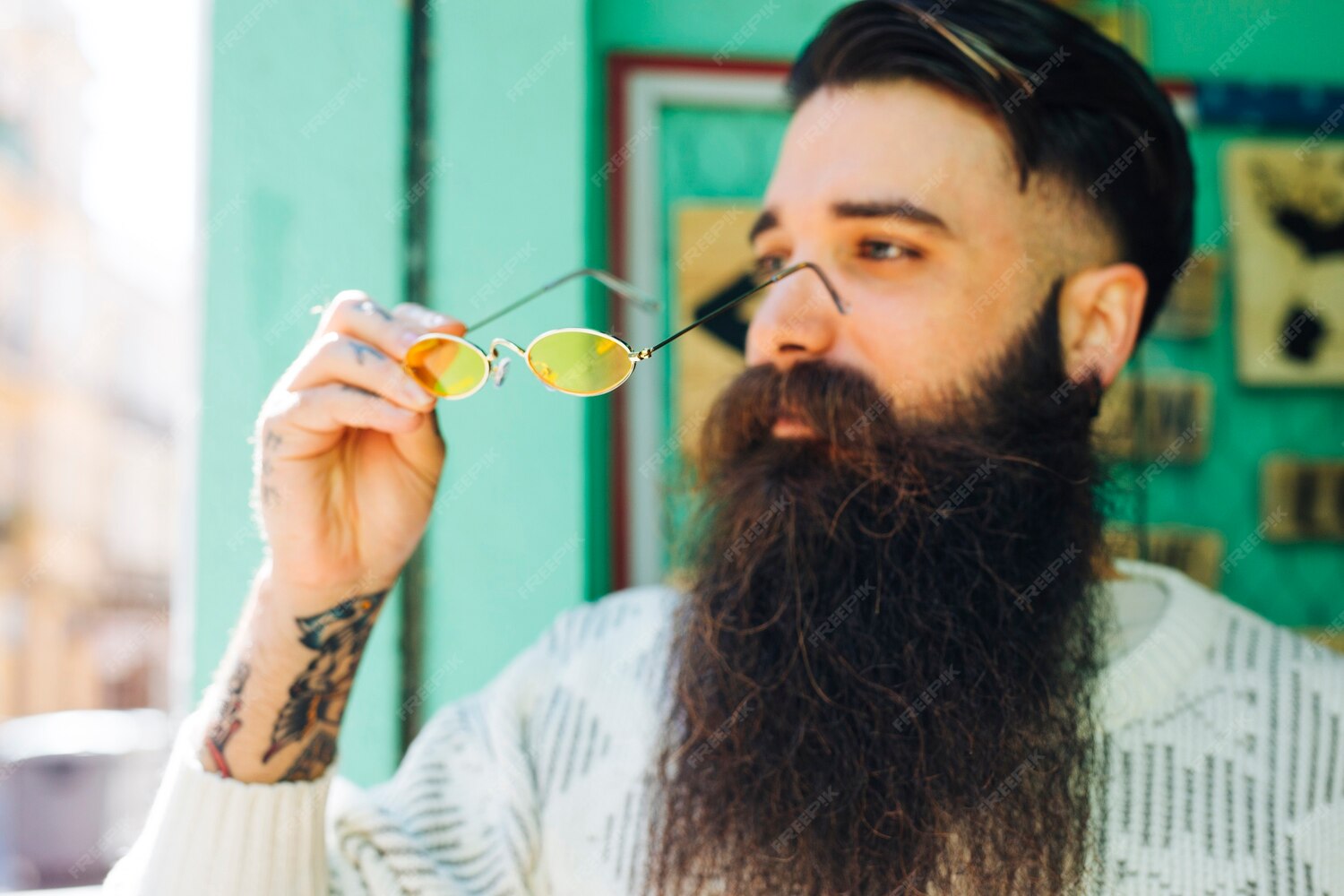
- Close-up of a well-dyed, styled beard
Advanced Techniques for Achieving a Natural Beard Dye Look - Understanding Natural Beard Variation
- When it comes to beard dyeing, the difference between a natural-looking beard and an obviously dyed one often lies in the technique rather than the product itself. Many men make the mistake of applying dye uniformly across the entire beard, which can result in a flat, artificial appearance. In reality, natural beards have variations in tone, density, and texture. Understanding how to replicate these variations can elevate your grooming routine significantly.
- Gradual Dyeing for Better Control
- One of the most effective advanced techniques is gradual dyeing. Instead of aiming for a dramatic transformation in one session, applying dye in stages allows you to build up color slowly. This method gives you more control over the final result and reduces the risk of ending up with an overly dark or unnatural beard. Start with a lighter shade or leave the dye on for a shorter time during the first application. If needed, you can repeat the process after a few days to deepen the color.
- Blending for a Natural “Salt and Pepper” Look
- Another important technique is blending. A beard rarely grows in a uniform color, especially if you have gray hairs mixed with darker strands. Instead of completely covering every gray hair, consider blending them into your natural color. This creates a “salt and pepper” effect that looks more authentic and sophisticated. To achieve this, you can apply dye selectively to darker areas and leave some gray strands untouched or use a semi-permanent dye that softens the contrast rather than eliminating it completely.
- Root Fading Technique
- Root fading is also a professional-level trick that can make a big difference. Just like with scalp hair, harsh lines where the beard meets the skin can give away the use of dye. To avoid this, use a lighter hand when applying dye near the edges of your beard. A small brush or even a toothbrush can help you create a softer, more natural transition between your skin and beard.
- Importance of Timing During Application
- Timing plays a crucial role in achieving the perfect result. Leaving the dye on for too long can make the color too intense, while removing it too early might result in uneven coverage. Experienced users often monitor the color development closely and rinse different sections at slightly different times if necessary. This level of control can help mimic the natural variations found in real beard growth.
- Checking Color in Different Lighting Conditions
- Additionally, lighting conditions should not be overlooked. Always check your beard color in natural daylight after dyeing. Artificial lighting can sometimes distort the appearance of color, making it look darker or lighter than it actually is. Evaluating your beard in different lighting conditions ensures that the result looks good in all environments.
- Maintaining Beard Texture After Dyeing
- Finally, maintaining texture is just as important as achieving the right color. Over-processing your beard with dye can make it dry and brittle, which detracts from the overall look. Using conditioning treatments and beard oils after dyeing helps preserve softness and shine, ensuring that your beard looks healthy as well as well-colored.
Beard Dye Maintenance, Longevity, and Long-Term Grooming Strategy
Importance of Aftercare for Dyed Beards
Once you have achieved your desired beard color, maintaining it becomes the next challenge. Many men underestimate the importance of aftercare, but proper maintenance is essential for keeping your beard looking fresh, vibrant, and natural over time.
Understanding How Beard Dye Fades
The first aspect of maintenance is understanding how beard dye fades. Unlike scalp hair, beard hair is exposed to more frequent washing, facial cleansing products, and environmental factors such as sunlight and pollution. These elements can cause the color to fade unevenly. To minimize this, it is important to use gentle, sulfate-free beard shampoos that are specifically designed for colored hair. Harsh cleansers can strip away the dye quickly and leave your beard looking dull.
Hydration and Moisture Retention
Hydration plays a key role in preserving color. Dry hair tends to lose pigment faster, so keeping your beard moisturized is crucial. Regular use of beard oils and balms not only nourishes the hair but also creates a protective barrier that helps lock in color. Ingredients like argan oil, jojoba oil, and shea butter are particularly effective for maintaining both color and texture.
Proper Washing Routine
Another important factor is washing frequency. While hygiene is important, overwashing your beard can accelerate color fading. Ideally, you should wash your beard two to three times per week, depending on your lifestyle and environment. On non-wash days, simply rinsing with water and applying a light conditioner can help keep your beard clean without stripping away color.
Root Touch-Up Strategy
Touch-up routines are also essential for long-term maintenance. As your beard grows, new hair will appear at the roots, often in your natural color or gray. Instead of re-dyeing your entire beard each time, focus on touching up the roots. This targeted approach reduces chemical exposure and helps maintain a more natural look. Root touch-ups are typically needed every two to three weeks, depending on how fast your beard grows.
Protecting Beard Color from Sun Damage
Sun protection is an often-overlooked aspect of beard care. Prolonged exposure to sunlight can cause the color to fade and even alter the tone of your beard. Wearing a hat or using products with UV protection can help preserve the integrity of the dye. This is especially important for men who spend a lot of time outdoors.
Nutrition and Beard Health
Diet and overall health also influence the longevity of your beard color. A balanced diet rich in vitamins and minerals supports healthy hair growth, which in turn affects how well your beard retains color. Nutrients like biotin, vitamin E, and omega-3 fatty acids are particularly beneficial for hair health.
Gradual Color Transition Over Time
Over time, you may want to adjust your beard color to match changes in your hair or personal style. Instead of making drastic changes, consider transitioning gradually. For example, if you want to go darker, choose a shade that is only slightly deeper than your current color. If you are embracing gray, you can slowly reduce the frequency of dyeing to allow more natural hair to show through.
Giving Your Beard a Break from Dye
It is also important to give your beard occasional breaks from dyeing. Continuous use of chemical dyes can weaken the hair and lead to dryness or breakage. Allowing your beard to rest for a few weeks between dyeing cycles can help maintain its overall health. During this time, focus on deep conditioning and nourishing treatments to restore strength and shine.
Role of Professional Grooming Services
Professional grooming services can also play a role in long-term maintenance. Visiting a barber who specializes in beard care can provide you with expert advice and precise touch-ups. They can also help you experiment with new styles and colors while ensuring that the results remain natural and flattering.
Long-Term Beard Care Strategy
Ultimately, maintaining a well-dyed beard is an ongoing process that requires attention to detail and consistency. By adopting a comprehensive grooming strategy that includes proper washing, hydration, touch-ups, and protection, you can enjoy a beard that looks vibrant, healthy, and perfectly styled for the long term
Final Thoughts
Men’s beard hair dye is more than just a grooming product—it’s a powerful tool for self-expression and confidence. Whether you want to cover gray hairs, enhance your beard’s fullness, or try a completely new style, the right beard dye can make a significant difference.
The key to success lies in choosing the right product, selecting the perfect shade, and following proper application techniques. With the right approach, you can achieve a natural, stylish, and well-groomed beard that complements your overall look.
